
Alpine maiden pink
Dianthus superbus L. subsp. alpestris Kablík. ex &Ccaron elak.
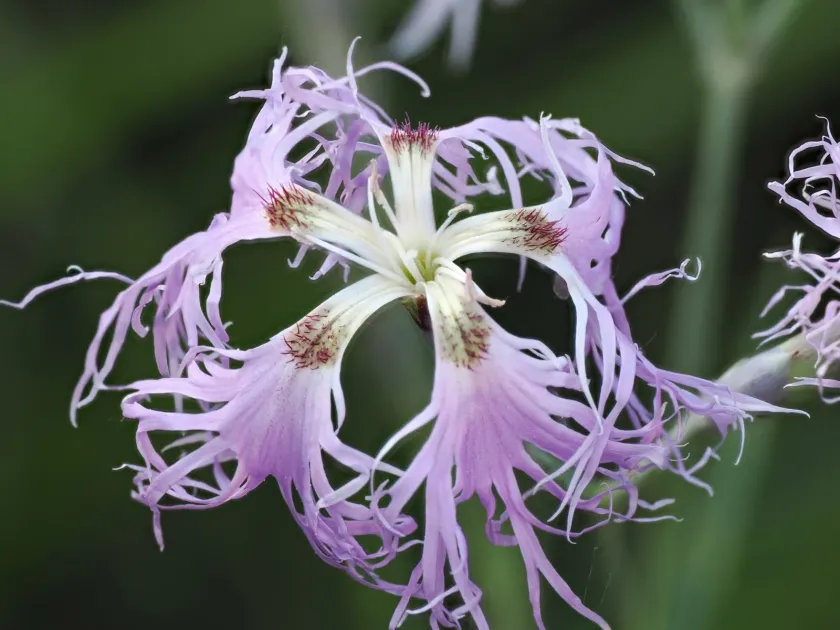
Description
Sowing dates
Sowing seeds of the Alpine maiden pink is ideally performed in spring, typically from April to May, or as a dormant sowing before winter. For indoor start, seeds should be sown in March using a light, well-draining seed-starting mix.
The seeds require consistent temperatures around 18-20 degrees Celsius to germinate successfully. Once the seedlings develop two sets of true leaves, they should be pricked out into individual pots to encourage stronger root development.
Transplanting to the permanent location in the garden should take place in late May once the danger of frost has passed. Ensure the plants are spaced at least 20-30 cm apart to allow for proper airflow.
Direct sowing in the garden requires prepared, weed-free soil. Seeds should be covered only lightly with a thin layer of sand or fine compost, as they need a degree of light to trigger germination.
As a slow-growing perennial in the initial stages, the plant will spend its first season establishing a healthy rosette of leaves before producing flowers in the following year.
Growing requirements
The Alpine maiden pink, a member of the Caryophyllaceae family, is a distinct mountain-dwelling plant perfectly suited for rock gardens. It thrives in full sunlight, which is essential for maintaining its compact, lush growth habit.
Well-draining soil is the most critical requirement for this species. It prefers a neutral to slightly alkaline soil pH and dislikes heavy, waterlogged conditions which can quickly cause root rot.
Given its origins in the alpine belt, it is exceptionally hardy and capable of withstanding cold winter temperatures and strong winds. However, during the growing season, consistent moisture is beneficial, provided the soil remains aerated.
Maintenance tasks include regular weeding and occasional light cultivation of the soil surface to improve oxygen penetration. Feeding with a balanced, low-nitrogen fertilizer during the spring encourages robust health.
Pruning after the first bloom can stimulate a secondary flush of flowers later in the summer, keeping the plant looking tidy and attractive throughout the entire season.
Main diseases and pests
Fungal diseases remain the primary threat to the Alpine maiden pink, particularly in regions with high rainfall or high humidity. Fusarium wilt can cause sudden collapse of the stems and roots.
Rust is another common issue, manifesting as small brownish or orange pustules on the undersides of the leaves. Fungicidal treatments and thinning out crowded plants can help mitigate its spread.
Spider mites are the most common pest, often appearing during hot and dry spells. They cause foliage to look mottled and lose its vibrant green color before drying out completely.
Aphids occasionally target the developing buds and young shoots. If an infestation is detected, insecticidal soap or specific pesticides should be used to protect the upcoming flowering stage.
Effective management relies on monitoring for early signs of stress. Keeping the plant in its preferred airy, sunny conditions naturally minimizes the risk of many common garden pests and diseases.