
Feathered pink
Dianthus plumarius L.
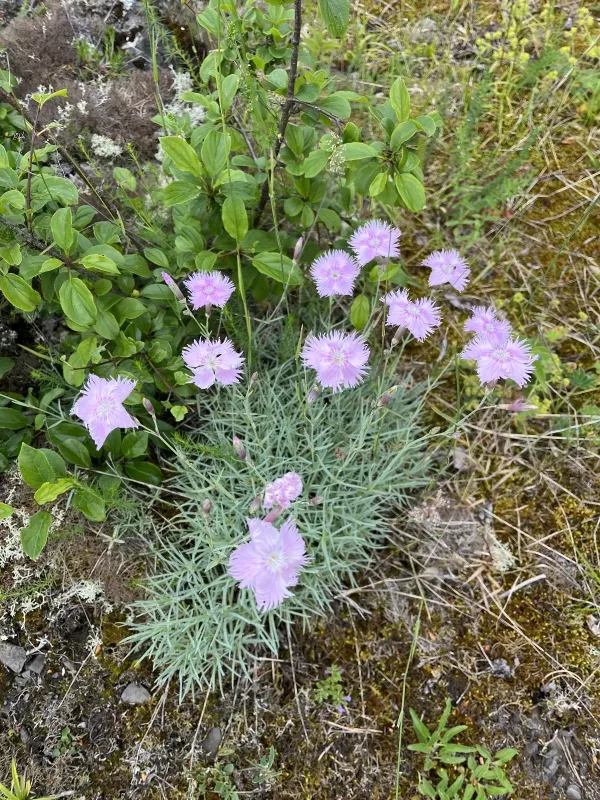
Description
Sowing dates
Dianthus plumarius L., commonly known as the feathered pink, is a perennial flowering plant belonging to the Caryophyllaceae family. It is widely cultivated for its ornamental value and pleasant fragrance, thriving in temperate zones.
Seeds should be sown indoors in early spring, typically around March, to ensure the plants are well-established before transplanting. They require light to germinate, so they should be covered only very lightly with soil.
For outdoor sowing, the best time is late spring when soil temperatures reach at least 15 degrees Celsius. Seeds are sown in drills, with seedlings thinned to a final spacing of 20 to 30 centimeters to ensure adequate airflow.
Vegetative propagation is widely practiced using stem cuttings taken in late spring or early summer. These cuttings root well in a mixture of sand and peat, provided they are kept in a humid environment with indirect light.
Regardless of the method, selecting a location with full sun exposure is crucial for the success of this crop, as it significantly impacts the vigor and longevity of the plant clusters.
Growing requirements
The feathered pink thrives in well-drained, neutral to slightly alkaline soils. It is highly intolerant of waterlogged conditions, which can lead to rapid root rot and total loss of the crop.
In terms of climate, the species is hardy and prefers temperate conditions with good air circulation. It does not handle high humidity well, especially in the heat of mid-summer, which can encourage fungal pathogens.
Maintenance involves routine watering only during prolonged dry spells. During the growing season, a balanced fertilizer low in nitrogen is recommended to encourage flower production rather than excessive vegetative growth.
Deadheading, or the removal of spent flowers, is an essential cultural practice. It helps maintain the tidy appearance of the plant and diverts energy from seed production back into the root system for the next season.
Winter care is minimal in most regions, but in areas with heavy frost, a light mulch can protect the crown of the plant. Ensuring the soil surface remains dry during winter is more important than protection against cold temperatures.
Main diseases and pests
The primary threats to Dianthus plumarius are fungal diseases, particularly Fusarium wilt and various leaf spots. These pathogens are most active during periods of high humidity and poor ventilation.
Pest issues include aphids and thrips, which target the developing buds and succulent stems. If left untreated, these pests can severely deform the flowers and weaken the plant's overall health.
Integrated pest management is highly recommended, involving the use of physical barriers or targeted biological controls. Chemical interventions should be used sparingly, focusing on the specific stage of the pest life cycle.
Good horticultural hygiene is the first line of defense. This includes removing dead foliage, managing weeds that may host pests, and ensuring the crop is not overcrowded, which helps to keep foliage dry.
If fungal infections are observed, systemic fungicides may be necessary. It is crucial to apply these treatments early in the season to prevent the disease from spreading throughout the entire bed of plants.