
Dianthus myrtinervius
Dianthus myrtinervius Griseb.
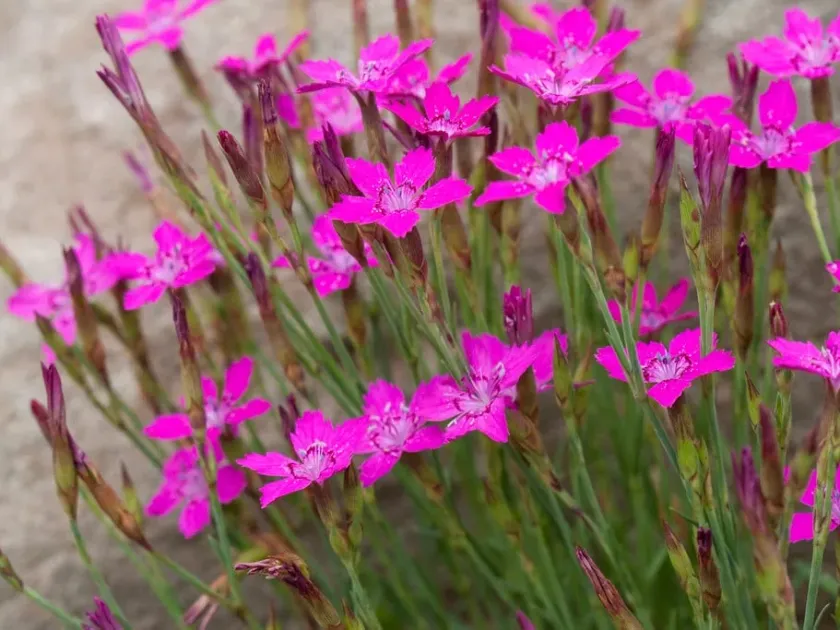
Description
Sowing dates
The sowing of Dianthus myrtinervius seeds is best initiated in late winter or early spring within a controlled indoor environment. Starting in February or March ensures robust seedlings are ready for outdoor transplantation.
Use a light, well-draining substrate amended with perlite or coarse sand to prevent moisture retention. Surface sow the seeds, covering them lightly with fine medium, as light is essential for optimal germination.
Maintain temperatures between 18 and 20 degrees Celsius to encourage uniform growth. Consistent, gentle moisture levels are crucial, while overwatering should be strictly avoided to prevent damping-off diseases.
Once the first pair of true leaves appears, seedlings should be carefully pricked out into individual pots. This practice encourages the development of a strong root system before they are moved outdoors.
Acclimatize the young plants to outdoor conditions over a period of two weeks before final planting. Space them approximately 20 to 25 centimeters apart to allow for adequate airflow between mature clumps.
Growing requirements
Dianthus myrtinervius belongs to the Caryophyllaceae family and is native to the rocky, mountainous terrains of the Balkans. It is evolutionarily adapted to thrive in harsh, nutrient-poor, and well-drained environments.
This species demands full sun and will suffer in shaded locations. It is best suited for rock gardens, scree beds, or well-draining borders where the soil mimics its natural alpine habitat.
Soil should be neutral or slightly alkaline. High fertility levels, especially excess nitrogen, are detrimental, causing weak, elongated growth and increasing the plant's susceptibility to diseases.
Drought tolerance is a hallmark of this species, making it an excellent candidate for low-maintenance landscapes. Once established, it requires supplemental water only during prolonged periods of extreme heat.
Regular maintenance involves light pruning of faded flower stems to encourage potential reblooming. Keep the base of the plant free from debris and weeds to ensure healthy airflow and reduce fungal risks.
Main diseases and pests
Fungal pathogens are the primary concern for Dianthus myrtinervius, particularly in humid or stagnant conditions. Fusarium wilt and other crown rots can occur if the drainage is insufficient.
Common garden pests such as aphids and spider mites may target the foliage during hot, dry spells. Use appropriate horticultural soaps or systemic insecticides to manage these infestations when necessary.
Prevention is the most effective strategy against disease. Providing adequate spacing, avoiding overhead irrigation, and using mineral mulch around the crown of the plant significantly lowers infection rates.
Gastropods, such as slugs and snails, can cause significant damage to young succulent foliage. Using protective barriers or organic bait can help mitigate the pressure from these pests during the early season.
Monitor for signs of viral infections, including leaf yellowing or stunted growth. Since there are no cures for viral diseases, affected plants should be promptly removed and disposed of to protect others.