
Maiden pink
Dianthus deltoides L.
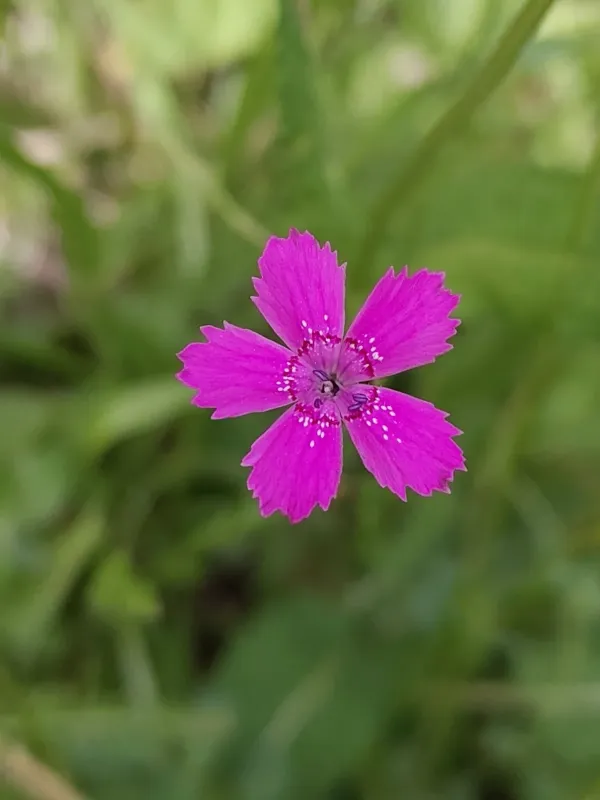
Description
Sowing dates
Maiden pink (Dianthus deltoides L.) is a member of the Caryophyllaceae family. In temperate climates, seeds are sown in open ground during autumn or in spring when soil temperatures reach 10-12°C.
For container-grown seedlings, seeds are sown in trays during March. Germination typically occurs within 14 to 20 days under consistent moisture and bright indirect light conditions.
The seeds are minute and should be sown on the surface of the soil with minimal covering, as they require some light to germinate effectively. Transplanting occurs after the first true leaves appear.
When sowing directly into the field or garden beds, spacing should be 20 to 25 cm apart to allow the plants to form dense mats. Uniform moisture is essential during the germination phase.
In the first year, young plants focus on developing a robust root system. Regular weeding is necessary during this establishment period to ensure the young plants are not overwhelmed by vigorous weed species.
Growing requirements
This species is highly photophilous and requires full sun exposure to thrive. In shaded areas, the stems become weak and leggy, and the vibrant color of the flowers fades significantly.
Ideal soil conditions consist of sandy or light loamy textures with excellent drainage. Dianthus deltoides cannot tolerate waterlogged soils, as this quickly leads to crown and root rot.
The preferred soil pH is neutral or slightly alkaline. In acidic environments, lime application is recommended prior to planting to ensure optimal nutrient uptake and plant health.
The plant is known for its high drought tolerance once established. However, during periods of prolonged heat, supplemental watering supports better flower production and foliage density.
Winter hardiness is a significant feature of this plant. It survives cold winters effectively without the need for additional protective covering, resuming growth promptly in early spring.
Yield
Maiden pink is utilized extensively as a ground cover in landscaping, rock gardens, and erosion control. Its prostrate growth habit provides a dense, aesthetically pleasing vegetation layer.
The reproductive productivity and flowering performance are enhanced by periodic application of balanced fertilizers. Phosphorus and potassium are particularly beneficial for promoting floral bud development.
Mature patches should be divided every 3 to 4 years. This practice rejuvenates the plant, prevents the center of the mat from becoming woody or bare, and maintains a uniform growth habit.
- Effective weed suppression in landscapes
- Low maintenance after establishment
- High aesthetic value in rockeries
After the main flush of blooms, a light shearing of the stems can encourage a secondary flush of flowers and keep the foliage compact and dense throughout the growing season.
Main diseases and pests
Fusarium wilt is one of the most common fungal diseases affecting this plant. Management involves removing and destroying infected material and improving overall drainage to limit fungal spread.
Rust and leaf spots occur under conditions of high humidity or poor air circulation. Proper spacing and avoiding overhead irrigation help to minimize the incidence of these foliar diseases.
Aphids and spider mites are frequent pests, particularly on tender new growth. Infestations lead to stunted development and distorted leaves if left unmanaged during the peak growing season.
Root-knot nematodes can impact plant vigor in gardens where the same area is utilized for long periods. Rotating planting sites is a recommended practice to avoid significant soil pathogen buildup.
Chemical control should be used judiciously, prioritizing products that are safe for pollinators and the surrounding environment, and applied according to the manufacturer’s instructions.