
Chinese hybrid carnation
Dianthus chinensis L. x Dianthus superbus L.
Description
Sowing dates
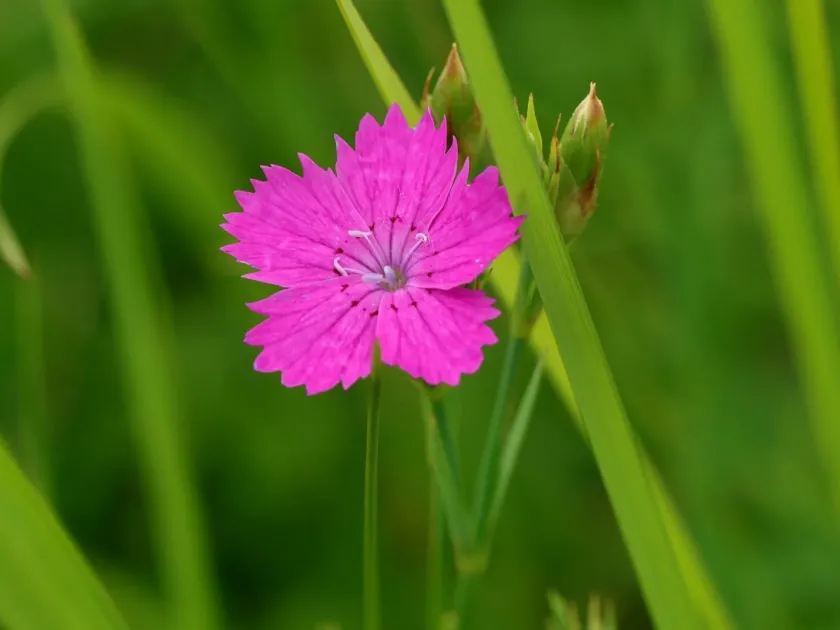
The Chinese hybrid carnation (Dianthus chinensis L. x Dianthus superbus L.) is a member of the Caryophyllaceae family, valued for its long-lasting, vibrant flowers. Seeds should be sown in late winter or early spring using a well-draining, sterile seed-starting mix.
Maintain a temperature between 18 and 20 degrees Celsius for germination. Seedlings typically emerge within two weeks and require bright, indirect light to grow sturdy stems.
Transplanting to the garden occurs after the risk of frost has passed. Ensure that the plants are hardened off gradually over a week to adjust to outdoor conditions.
When sowing directly in the soil, space the seeds appropriately to allow for sufficient airflow. A shallow covering of soil is sufficient, as the seeds need a small amount of light to trigger germination.
This hybrid cross between Chinese carnation and fringed pinks offers increased vigor and improved flowering traits, making it a reliable choice for temperate climate gardeners.
Growing requirements
Full sun is essential for the healthy growth of this hybrid. While it can tolerate partial shade, insufficient light often results in leggy stems and poor flower production.
The ideal soil is sandy or loamy with excellent drainage. Dianthus species are highly sensitive to soggy conditions, which can quickly lead to root rot and other fungal diseases.
Watering should be done carefully, targeting the base of the plant to keep the foliage dry. Avoid overhead irrigation, as damp leaves are prone to developing fungal spots.
Fertilization with a balanced, slow-release fertilizer early in the season supports initial growth. Subsequent applications should be light to prevent excessive vegetative growth at the expense of blooms.
These plants are fairly hardy but appreciate a layer of organic mulch to maintain steady soil temperature and suppress weed competition during the peak summer heat.
Main diseases and pests
Fungal diseases like Fusarium wilt are a major threat to these carnations. Infected plants will show sudden yellowing and wilting, often starting from the lower leaves.
Leaf spot pathogens can cause disfigurement and premature foliage loss. Maintaining good spacing between plants is crucial to ensure airflow and reduce moisture levels around the stems.
Spider mites are common pests in hot and dry climates. They thrive on the underside of leaves, causing a stippled, dusty appearance that can severely stress the plant.
Aphids can gather on the flower buds, distorting their development and secreting honeydew that may attract secondary fungal issues like sooty mold.
- Ensure good drainage.
- Avoid overwatering.
- Remove infected plants immediately.
- Use horticultural oils for pest control.
Harvesting
Harvest flowers for arrangements in the early morning when the dew has evaporated but the plants are still turgid. Cutting stems just above a node encourages the plant to produce more lateral flower shoots.
Use clean, sharp shears to minimize physical damage to the plant tissue. Freshly cut stems can be placed in cool water immediately to ensure a vase life of up to 14 days.