
Dacrydium lycopodioides
Dacrydium lycopodioides
Description
Growing requirements
Dacrydium lycopodioides is a distinctive coniferous tree belonging to the Podocarpaceae family. It is native to the island ecosystems of New Caledonia, where it thrives in specific humid mountain habitats.
The climate requirements for this species include consistent high humidity and stable, moderate temperatures. As a tropical conifer, it lacks frost tolerance and must be kept in controlled environments if grown outside its natural range.
Regarding soil, the plant requires well-drained, acidic substrates. In the wild, it often occupies ultramafic soil types, which are characteristic of its native distribution areas and provide a unique chemical profile for root health.
Cultivation practices focus on meticulous irrigation management. Because the root system is sensitive to waterlogging, high-quality drainage is essential, and moisture levels should be kept constant rather than fluctuating significantly.
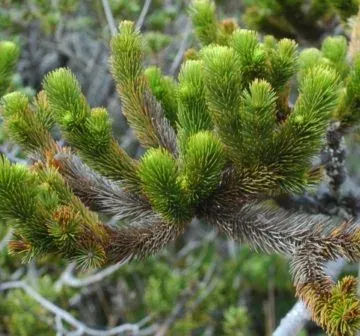
The morphology of the plant is defined by its scale-like leaves that resemble those of lycopods, a trait that gives the species its scientific name. It exhibits slow growth rates, making it a stable and long-lived specimen in specialized botanical collections.
Main diseases and pests
The primary threats involve fungal root pathogens that develop under anaerobic soil conditions. Maintaining air circulation around the root ball is critical for preventing decay and ensuring the plant’s longevity.
Pests such as mites and scale insects can infest the foliage, particularly if the plant is grown under glass where airflow is limited. Regular inspection and preventative pest management are necessary to maintain the plant's aesthetic and biological integrity.