
Dacrydium beccarii
Dacrydium beccarii
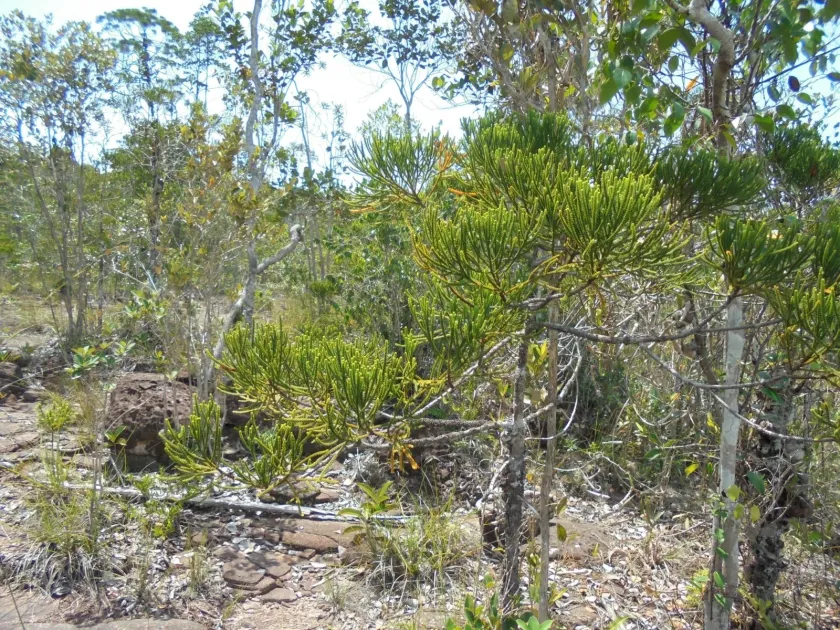
Description
Growing requirements
Dacrydium beccarii is a distinct species within the Podocarpaceae family. It is an evergreen coniferous tree native to the tropical rainforests of Southeast Asia, predominantly found in the mountainous regions of Malaysia, Indonesia, and the Philippines. This species is known for its slow growth and ability to thrive in high-altitude habitats.
The plant requires specific soil conditions to flourish, primarily preferring acidic, well-drained soils rich in organic matter. In a cultivation setting, it is essential to mimic these natural forest-floor conditions to ensure the tree's health and stability. Waterlogging is detrimental to the root system and must be avoided at all costs.
Climate requirements for Dacrydium beccarii center on high atmospheric humidity and stable temperatures. It is not cold-hardy and cannot withstand frost, requiring a tropical or subtropical environment to maintain vegetative growth. Providing diffused lighting is also crucial, as intense direct sunlight can scorch the delicate foliage of young saplings.
The economic value of this tree lies in its timber, which is prized for its density, fine grain, and aesthetic appeal. It is commonly utilized in specialized woodcraft, furniture making, and the production of musical instruments where dimensional stability and high quality are paramount for the end product.
Sustainable agricultural practices are vital for this species, as its slow maturation rate makes it vulnerable to over-harvesting. Modern nurseries focus on propagating Dacrydium beccarii through controlled techniques, emphasizing long-term care and the maintenance of genetic diversity within the plantation environment.
Main diseases and pests
Pathogenic fungi remain the most significant threat to Dacrydium beccarii, especially in nursery conditions where moisture levels are high, often leading to damping-off disease. Additionally, wood-boring insects present a constant risk, necessitating careful monitoring and preventative chemical or biological control measures.