
Dacrydium fonkii
Dacrydium fonkii
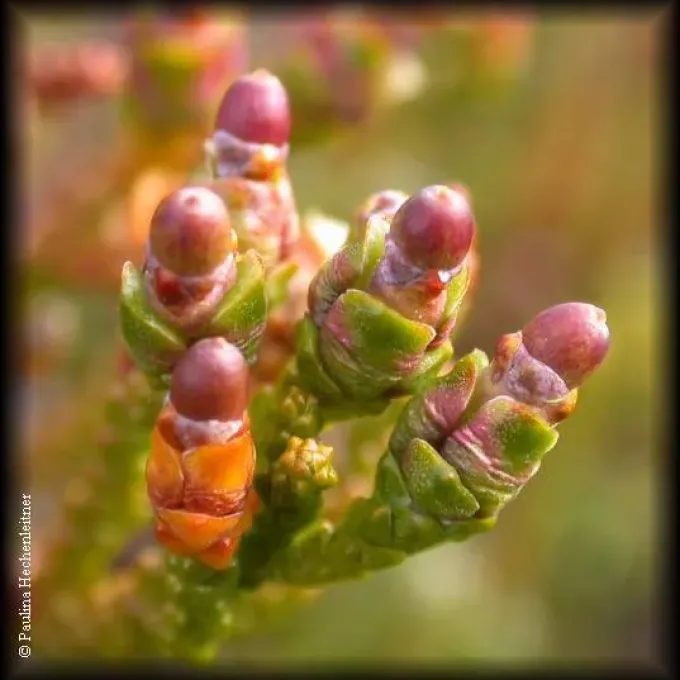
Description
Growing requirements
Dacrydium fonkii is a distinctive coniferous shrub belonging to the Podocarpaceae family. It is endemic to the cold, temperate rain forests and peat bogs of southern Chile and Argentina, where it thrives in challenging, high-moisture environments.
The cultivation of this plant requires specific soil conditions. It prefers acidic, peat-based substrates that ensure high moisture retention without causing root suffocation. It is a slow-growing species, which requires patience and specific environmental mimicry.
Botanically, it is characterized by its hardy foliage, which has evolved to withstand the relentless winds and cool temperatures typical of the Patagonian region. Its dense, scale-like needles are a key adaptation to its native climate.
Regarding climatic needs, Dacrydium fonkii favors stable, cool temperatures. It does not handle heat or drought well, making it suitable only for specific microclimates in controlled botanical collections or specialized nurseries.
In terms of agricultural significance, the species is primarily valued for its ecological role and ornamental interest rather than production. Its long-term viability depends on preserving its unique habitat and understanding its narrow ecological niche.
Main diseases and pests
The primary threats to Dacrydium fonkii include habitat loss and the alteration of local hydrology. As a peatland specialist, any drainage or significant shift in water table levels poses a severe threat to its survival.
Pathogens, particularly root-inhabiting fungi, can pose a risk if the drainage in the cultivation substrate is poor. Excessive water stagnation in a confined container can lead to rapid decline and root necrosis.
Pests are generally not a major concern due to the plant's high levels of resinous compounds, which act as a natural defense. However, in enclosed glasshouse environments, standard conifer pests might occasionally occur.
Phytosanitary management is essential for maintaining plant health. Avoiding the introduction of pathogens through contaminated soil and monitoring for needle discoloration are standard preventative measures.
The recovery of the species after environmental stress is remarkably slow, which makes the prevention of any damage, whether chemical or biological, the most critical aspect of its cultivation care.