
Dacrydium balansae
Dacrydium balansae
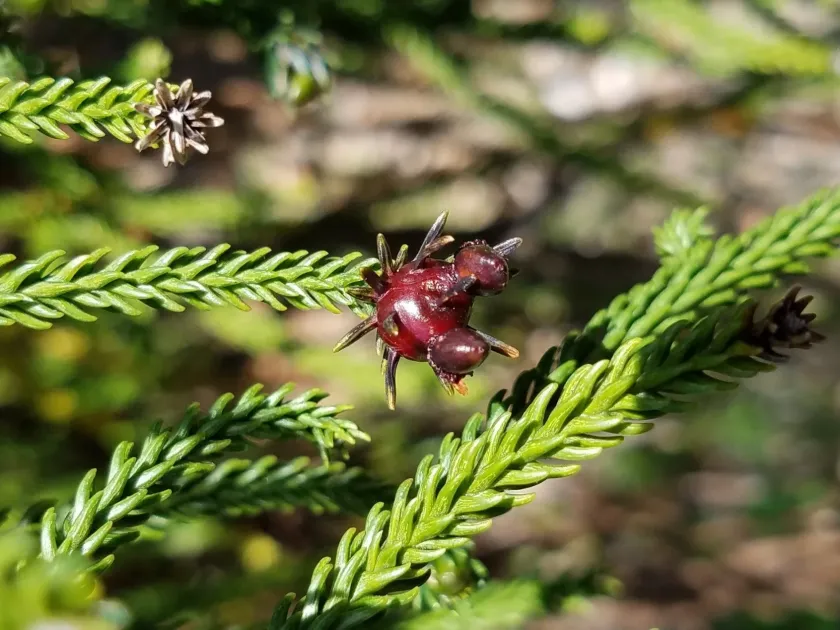
Description
Growing requirements
Dacrydium balansae is an evergreen coniferous species belonging to the Podocarpaceae family, native to the ultramafic soils of New Caledonia. This plant is known for its distinct morphology and slow growth rate, making it a subject of great interest in botanical research.
The cultural requirements are strictly defined by its natural environment. It thrives in high-humidity conditions and requires a well-drained substrate that mimics the mineral composition of its native serpentinite habitats.
Regarding climatic needs, Dacrydium balansae prefers stable temperatures without extreme heat or frost. Proper air circulation is essential to mimic the cool, breezy environment of the mountain slopes where the species is naturally distributed.
Soil management for this culture is focused on drainage. Overwatering is the most common cause of root decline, thus the use of porous, inorganic substrate components is highly recommended for container-grown specimens.
Light exposure should be managed carefully. While the species requires bright light to maintain its dense foliage, it is susceptible to foliage scorch if exposed to intense, direct afternoon sun in an artificial indoor environment.
Main diseases and pests
The primary threats to Dacrydium balansae in cultivation are associated with fungal pathogens that thrive in poorly aerated or overly damp soil conditions. Root rot represents the most significant danger to the longevity of the plant.
Pests such as scale insects or spider mites may occasionally infest the foliage, particularly in confined greenhouse settings where humidity and ventilation are not balanced. Regular inspection of the needles is necessary to prevent outbreaks.
Nutrient deficiency is another issue, as the plant is adapted to specific soil types. Fertilization must be done with caution, using dilute, balanced feeds specifically formulated for acid-loving or specialized conifer species to avoid salt burn.
Environmental stress, such as low atmospheric humidity, can lead to needle desiccation and premature leaf drop. Maintaining a consistent environment is the best prophylactic measure against physiological stress-related illnesses.
- Ensure regular cleaning of the foliage to remove dust.
- Monitor the substrate pH to maintain stability.
- Apply preventative antifungal treatments if humidity remains high.
- Avoid rapid temperature changes that may cause shock.
- Isolate new specimens to prevent the spread of hidden pests.