
Dacrydium araucarioides
Dacrydium araucarioides
Description
Growing requirements
Dacrydium araucarioides is a distinct species of conifer belonging to the Podocarpaceae family. It is an endemic plant native to the island of New Caledonia, where it thrives in specific ecological conditions associated with ultramafic mountain soils.
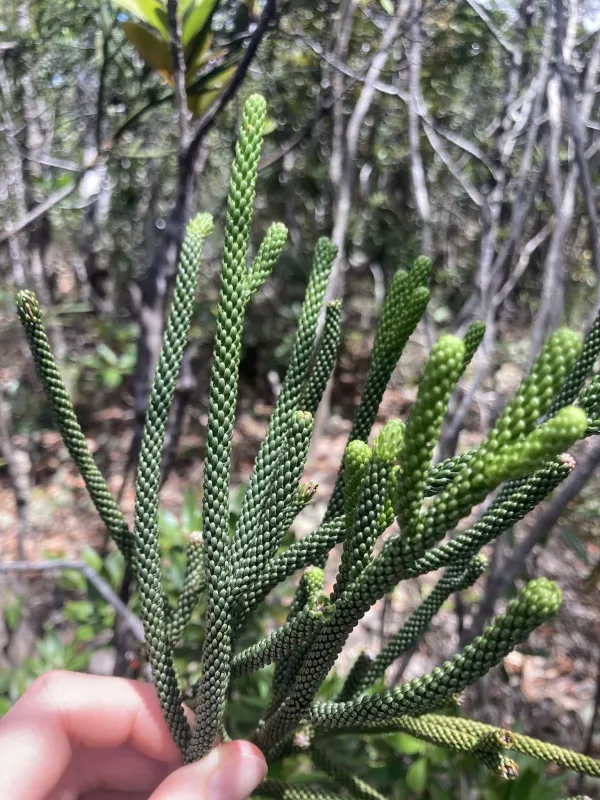
The botanical structure of this species is characterized by its slow growth rate and dense, needle-like foliage that mimics the appearance of members of the Araucariaceae family. This adaptation allows the tree to manage moisture loss effectively in its rugged, high-altitude native habitat.
To cultivate Dacrydium araucarioides successfully, one must replicate its natural environment, which involves maintaining high ambient humidity and temperate climate conditions. The plant requires a well-draining, nutrient-specific substrate that mimics the geological makeup of its natural New Caledonian soil.
Agricultural techniques for this species are limited to specialized nursery or botanical garden settings. It does not tolerate frost, making greenhouse climate control a non-negotiable requirement for its long-term survival outside its natural tropical range.
The economic and practical use of this species is primarily scientific and ornamental. It is valued for conservation purposes and as a rarity in botanical collections, rather than for timber production or industrial agricultural applications due to its sensitive nature.
Main diseases and pests
The primary threat to Dacrydium araucarioides is the degradation of its limited natural habitat. Habitat loss due to mining activities and land development in New Caledonia remains the most significant risk factor for the long-term sustainability of wild populations.
In managed conditions, root rot caused by stagnant moisture is the most common health issue. Proper irrigation management is essential, as the species is highly sensitive to waterlogged soils which quickly lead to pathogen proliferation in the root zone.
Pest threats include typical greenhouse insects such as scale insects and spider mites. These pests can rapidly affect the health of young saplings, requiring gentle but consistent pest control measures to prevent significant damage to the needle structure.
The lack of standardized agronomic protocols for this plant means that disease management is largely based on preventive observation. Detecting early signs of stress or pest infestation is crucial for the survival of the individual plant in cultivation.
Due to its endemic status and low natural resilience to changes in the environment, the species requires highly skilled care. Any deviation in moisture levels or substrate pH can result in the rapid decline of plant health and vitality.