
Dacrydium elatum
Dacrydium elatum
Description
Growing requirements
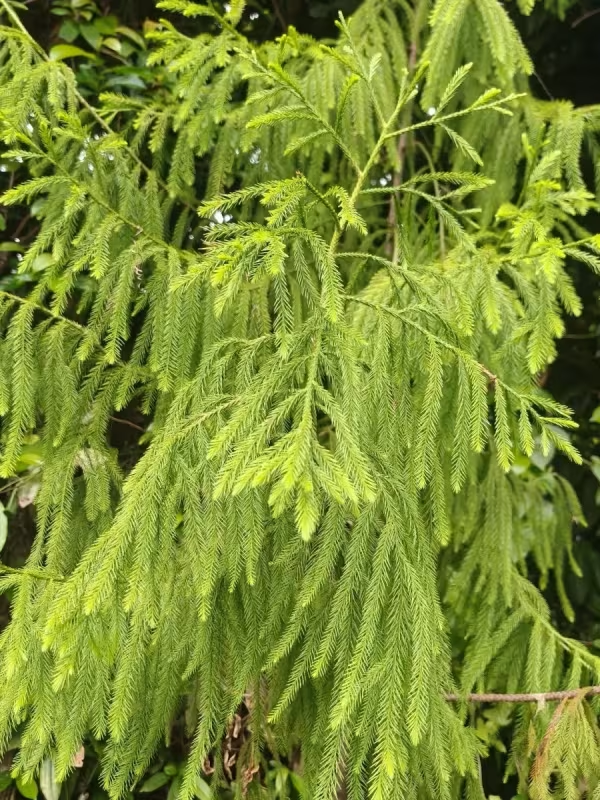
Dacrydium elatum is a prominent evergreen coniferous species belonging to the Podocarpaceae family. It is characterized by its distinct, elegant habit, often displaying drooping branchlets that give the tree a graceful, pendulous appearance in its native habitat.
The native distribution of this species spans across the tropical landscapes of Southeast Asia, including countries like Malaysia, Indonesia, and Vietnam. It is typically found in lowland and montane rainforests where rainfall is abundant and evenly distributed throughout the year.
Climatic requirements are strictly tropical, necessitating a warm and humid environment without any risk of frost. Dacrydium elatum thrives in regions where temperature fluctuations are minimal, ensuring consistent physiological activity throughout the annual cycle.
In terms of soil, the species prefers acidic and well-drained substrates. While it shows some tolerance to various soil compositions, the best performance is observed on deep, loamy soils that possess high organic content and adequate moisture retention without waterlogging.
Regarding its utility, the species is highly valued for its durable and stable timber. Although it grows relatively slowly compared to some pioneer species, its high-quality wood makes it a target for sustainable forest management programs and specialty silviculture projects.
Main diseases and pests
The primary biological threats to Dacrydium elatum plantations include various fungal pathogens that flourish in humid environments. Root rot remains the most significant cause of mortality in nursery stages, often linked to poor drainage and soil saturation.
Insects such as wood-boring beetles can cause severe damage to the stem and branches, compromising the structural integrity of the timber. Regular inspection of the bark and canopy is essential to identify early signs of infestation and implement control measures.
Environmental stressors, particularly prolonged dry spells, increase the vulnerability of the trees to secondary infections. Such conditions disrupt the nutrient uptake and weaken the tree's natural defense mechanisms against pests.
Effective management involves a combination of silvicultural practices, including proper spacing for ventilation and sanitation felling of infected individuals. This reduces the inoculum pressure within the plantation and promotes overall stand health.
Given the conservation status of many wild populations, integrated pest management (IPM) strategies are favored to minimize chemical footprint and protect the ecological balance of the plantation surroundings.