
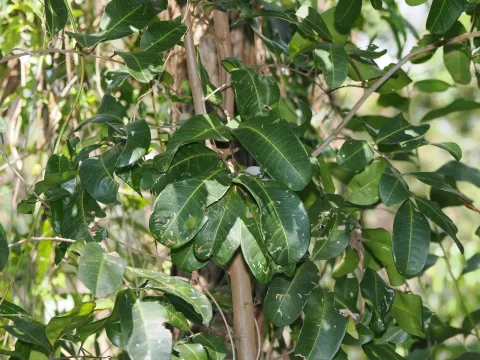
Cupaniopsis
Cupaniopsis
Cupaniopsis is a genus of evergreen trees and shrubs belonging to the Sapindaceae family. The natural range of this genus spans across Australia, New Guinea, Indonesia, and various islands within the Pacific region.
What the section contains

Cupaniopsis
The botanical characteristics of this genus include pinnately compound leaves and small flowers arranged in panicles. The fruits are typically three-valved capsules that open upon maturation to reveal seeds covered in colorful arils.
This culture flourishes in tropical and subtropical climates where humidity remains consistently high. It requires well-drained, fertile soils with a pH ranging from slightly acidic to neutral to ensure optimal root development.
Agronomic management requires protecting young saplings from harsh direct sunlight and strong winds. Mature plants demonstrate some level of hardiness but remain highly sensitive to frost and prolonged periods of water scarcity.
The primary economic use of Cupaniopsis is within landscape architecture and urban forestry in tropical zones. Some species are also valued for their dense, durable timber and high aesthetic appeal in parks and gardens.
In managed ornamental or agricultural settings, Cupaniopsis may be susceptible to common tropical pests such as scale insects and mealybugs. Regular scouting of the foliage is essential to prevent large-scale infestations.
Fungal diseases caused by poor drainage or excessive soil moisture represent a significant threat to the root system. Root rot can manifest as sudden leaf drop and a general decline in the tree's vigor.
To mitigate disease risks, it is critical to manage irrigation practices strictly and ensure adequate canopy ventilation. Targeted fungicide applications may be necessary if specific pathogens are identified.
Anthracnose and leaf spot diseases can become problematic during periods of high atmospheric humidity. Clearing away fallen foliage and debris helps reduce the local inoculum levels of these fungi.
Proper spacing between trees is recommended to promote air circulation, which significantly decreases the likelihood of fungal colonization on the leaves and branches.