
Corydalis wendelboi
Corydalis wendelboi
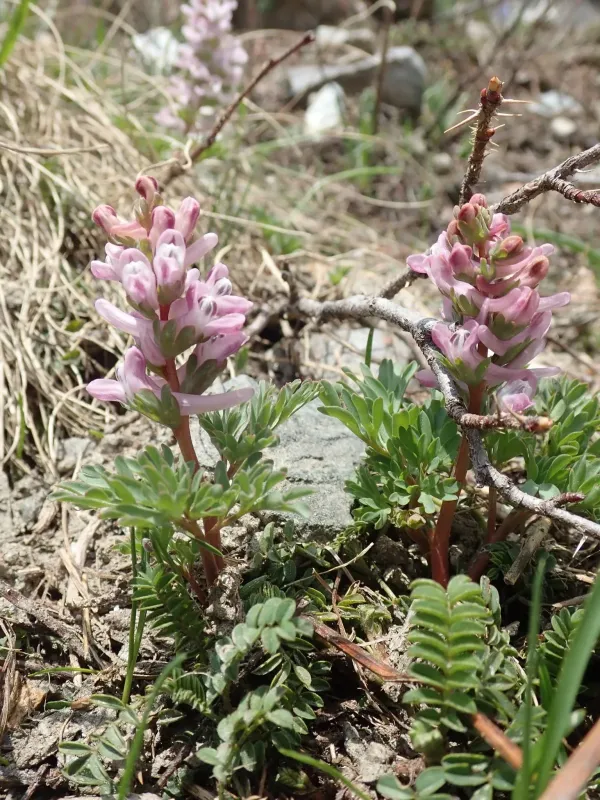
Description
Growing requirements
Corydalis wendelboi is a perennial tuberous plant belonging to the Poppy family (Papaveraceae). This species originates from the mountainous regions of Iran, where it has adapted to harsh environmental conditions and stony soil compositions.
As a spring ephemeral, the plant completes its life cycle shortly after the winter snow melts. Its rapid growth and blooming phases are crucial survival strategies that allow it to capitalize on spring moisture before entering summer dormancy.
For successful cultivation, the plant requires a highly permeable substrate with excellent drainage. In garden settings, it is best grown in rock gardens or specialized containers that prevent moisture accumulation around the tubers during their dormant period.
The species prefers sunny locations that mimic its native high-altitude environment. While it is hardy, the plant is intolerant of waterlogged soil, which can easily trigger physiological stress and fatal root rot, especially during the summer heat.
The cultural value of Corydalis wendelboi is mainly concentrated in specialized botanical collections and rock garden design. Its aesthetic appeal and rarity make it a sought-after subject for enthusiasts of unique bulbous and tuberous flora.
Main diseases and pests
The most significant threat to this species is fungal decay, commonly caused by excessive soil moisture while the plant is in a state of dormancy. Maintaining a dry environment during the summer months is essential to prevent the rotting of the tubers.
Rodents such as voles can pose a substantial risk by feeding on the energy-rich tubers buried underground. Using fine-mesh protective barriers is a highly recommended practice to secure the plantings against subterranean pests.
Occasional infestations of aphids or spider mites may occur during the brief period of active foliage growth. Integrated pest management, including regular visual inspections and the use of organic deterrents, is recommended to mitigate these issues.
Viral infections can compromise the health of the plant, often introduced through contaminated tools or by sap-sucking insects. Sterilizing all gardening implements used for planting or propagation is a necessary preventive measure.
Proper site management is the best defense against pests and diseases. By ensuring high drainage standards and providing adequate air circulation, growers can maintain a healthy environment for this sensitive alpine species.