
Corydalis buschii
Corydalis buschii
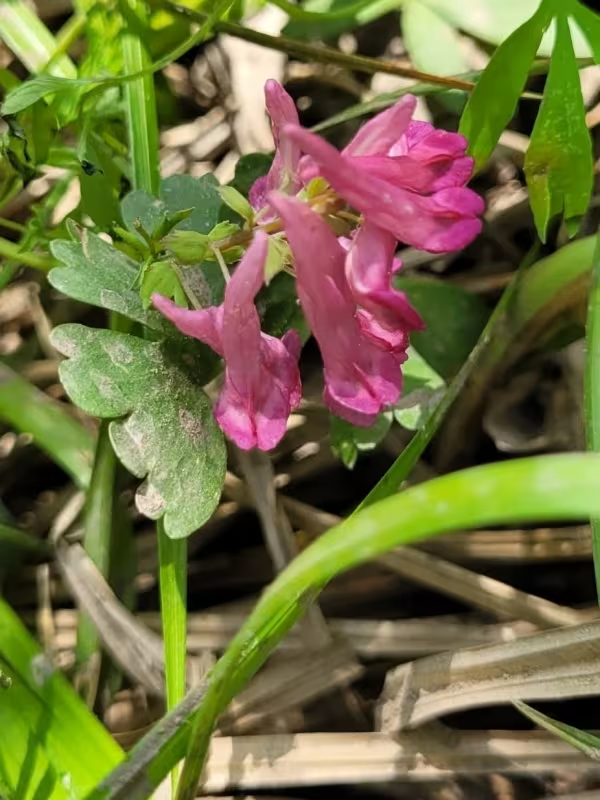
Description
Growing requirements
Corydalis buschii is a perennial herbaceous plant belonging to the Papaveraceae family. It is recognized as a spring ephemeral, completing its vegetative growth phase in a short period during early spring.
This species is native to the Far East regions of Russia and the Korean Peninsula. It typically inhabits broad-leaved forests, flourishing in shaded environments with rich, humus-dense forest soils.
For successful cultivation, the soil must be loose, moisture-retentive, and well-drained. The presence of organic matter and leaf mold is essential to replicate its natural habitat and ensure the health of the tubers.
The climate requirements for this plant include a dormant phase during the summer heat and a cold winter period. It is well-adapted to regions with significant temperature fluctuations between seasons.
Economically, the plant is primarily utilized in pharmacology. The tubers contain unique alkaloids that are studied for their potential analgesic and sedative properties in medicinal preparations.
Main diseases and pests
The primary threats to Corydalis buschii crops are fungal pathogens, specifically those causing root rot. Excessive soil moisture, especially during the dormancy period, can lead to complete tuber decay.
Soil pests, including various larvae, pose a significant risk to the plant's root system. These pests can significantly reduce the vitality of the crop if not managed early in the season.
Foliar pests, such as aphids, can colonize the plant during the active growth phase. Their feeding activity depletes the plant's energy reserves, negatively impacting the next year's development.
Agricultural management must prioritize weed control, as the plant's rapid growth cycle makes it susceptible to being overshadowed by more aggressive perennial weeds.
Proper spacing and maintaining a clean planting site are essential to mitigate the spread of soil-borne diseases. Avoiding waterlogged areas is the most effective preventative measure against infections.