
Corydalis ambigua
Corydalis ambigua
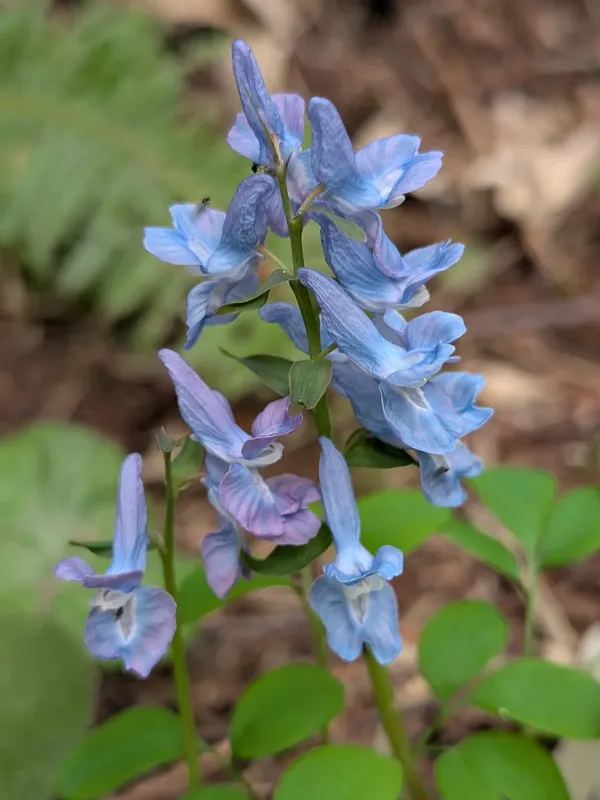
Description
Sowing dates
Corydalis ambigua, known as an ephemeral species, follows a strict seasonal rhythm. In natural habitats, seeds disperse immediately after the capsules ripen in late spring, taking advantage of soil moisture.
When cultivating this crop, sowing should be done in late autumn. The seeds require a period of cold stratification throughout the winter months to break dormancy and ensure consistent germination in early spring.
The sowing depth must be kept shallow, approximately 1 to 2 centimeters, ensuring the soil remains loose so that the delicate emerging shoots do not encounter resistance in the early spring thaw.
A soil rich in leaf mold or well-rotted organic matter is ideal for sowing. Providing a stable, humus-rich substrate helps maintain the necessary conditions for healthy tuber development.
Vegetative propagation via tuber division is also a viable method. This process should only be executed during the plant's deep summer dormancy, once the foliage has completely withered away.
Growing requirements
This crop thrives in partial shade, mimicking the conditions of a forest floor. Excessive exposure to direct midday sunlight can lead to rapid wilting and reduce the overall vigor of the plant.
Proper drainage is the most critical factor for soil requirements. While the plant needs moisture during its growth phase, waterlogged conditions during the dormant summer period will cause the tubers to rot.
The soil should have a neutral to slightly acidic pH. Incorporating organic amendments such as compost before the growth cycle begins provides the necessary nutrients for the tubers to store energy for the next year.
The plant is highly frost-hardy, as its growing season occurs during the cool months of early spring, protecting it from both winter freezes and the extreme heat of mid-summer.
Spacing is vital in a professional setting. Proper plant density prevents overcrowding, which is essential to avoid the spread of fungal pathogens in the moist spring environment.
Yield
The economic value of Corydalis ambigua lies in its pharmaceutical properties, specifically the presence of corydaline and other alkaloids. Yield is primarily determined by the quality and mass of the harvested tubers.
A successful yield requires patience, as the plant typically reaches its peak concentration of active ingredients and tuber maturity after 3 to 4 years of growth.
The harvesting process must be handled carefully to preserve the chemical integrity of the tubers. Mechanical damage during digging can lead to nutrient loss and spoilage.
Industrial yields are optimized by strictly controlling moisture levels after the flowering phase, which triggers the plant to pump energy into tuber expansion rather than seed production.
The final yield is measured in dried tuber mass, which must be processed according to pharmaceutical standards to ensure the highest concentration of medicinal compounds.
Main diseases and pests
Fungal root rots represent the most significant threat to this crop, often occurring when the soil remains too wet for too long, particularly after the plant has entered its dormant phase.
Pests such as slugs and snails can devastate a young crop in the spring. They feed on the tender emerging foliage, which significantly reduces the plant's capacity to photosynthesize and store energy.
Soil-dwelling larvae can penetrate the tubers, providing an entry point for diseases. Preventive soil treatment and crop rotation are essential practices to mitigate these risks.
Competition from aggressive weeds is a primary concern. Since the plant is relatively small, weeds can quickly outcompete it for light and nutrients, leading to stunted tuber development.
- Root rot and fungal infections
- Slugs and snails
- Soil-borne larvae
- Competition from weeds
Harvesting
Harvesting should occur once the foliage has turned yellow and withered completely. At this stage, the plant has retreated into its tuber, which now contains the peak levels of alkaloids.
The tubers are extracted from the soil using tools that lift the soil gently. This ensures that the tubers remain whole and free from structural damage, which is vital for quality control.
Immediately after harvest, the tubers must be cleaned of all soil debris. This is usually done with cold water to maintain the stability of the active chemical components.
Drying is a critical step; it must be performed in a cool, dark, and well-ventilated area. Rapid high-heat drying can degrade the medicinal compounds, so a slow, controlled drying process is preferred.
Once dry, the product is sorted and packaged for long-term storage in cool, dry conditions to prevent mold and ensure the longevity of the pharmaceutical stock.