
Corydalis calycosa
Corydalis calycosa
Description
Growing requirements
Corydalis calycosa is a perennial herbaceous plant belonging to the Papaveraceae family. In its natural habitat, it thrives in high-altitude mountain environments characterized by cool temperatures and high humidity.
The culture requires loose, well-drained soil rich in organic matter. Proper drainage is essential, as waterlogged conditions often lead to rapid decay of the plant's delicate root system, which is a major factor in crop failure.
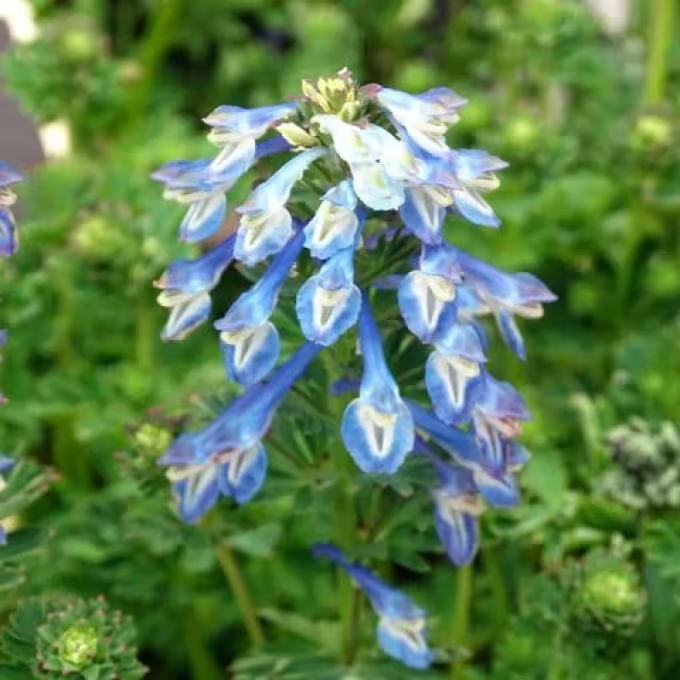
Botanically, the plant is recognized by its rhizomatous structure, which allows it to store nutrients for early spring growth. Its lacy foliage and uniquely structured flowers are key identifying features of this species.
Environmental requirements include a cool, temperate climate. The plant is best suited for semi-shaded locations where it is protected from intense midday heat, which can cause significant physiological stress to the leaves.
Agronomic management involves maintaining neutral soil pH and applying light organic mulch. This practice helps stabilize soil temperature and moisture, ensuring that the plant receives consistent nutrients throughout the growing season.
Main diseases and pests
Root rot is the most common disease associated with this plant, typically occurring when soil aeration is insufficient. Managing soil moisture is the primary method to prevent these fungal issues in garden settings.
Slugs and snails are the most significant pests, often destroying the soft foliage during wet spring weather. Growers should implement barrier methods or safe baiting techniques to minimize damage caused by these gastropods.
Aphids can occasionally colonize the shoots, drawing essential fluids and stunting growth. Targeted application of botanical oils or soap solutions is usually effective in controlling these infestations without harming the plant.
Powdery mildew may develop if plant density is too high, leading to poor air circulation. Proper spacing during the initial planting stage is the most effective preventative measure against these types of fungal outbreaks.
Regular monitoring for symptoms of disease or pest infestation is crucial for high-quality plant development. Promptly removing diseased foliage ensures the long-term health and vigor of the entire plantation.