
Corydalis capnoides
Corydalis capnoides
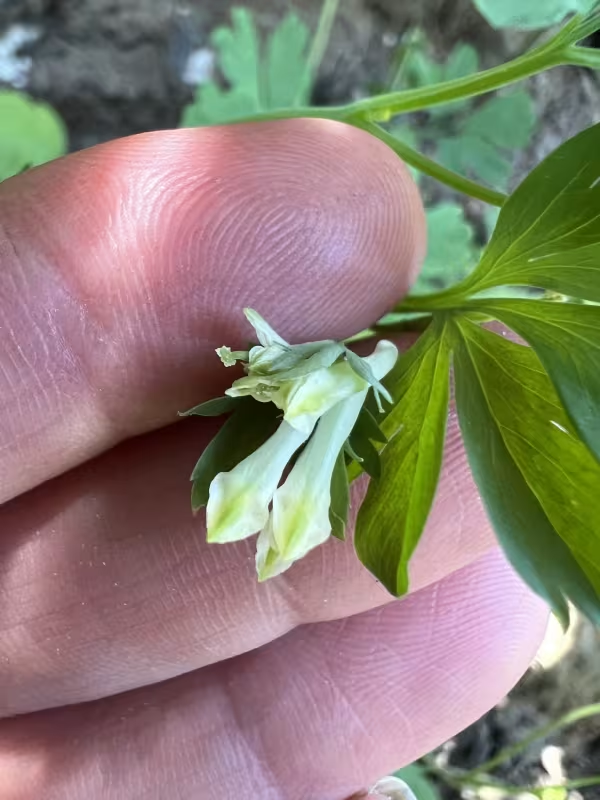
Description
Sowing dates
Corydalis capnoides, a member of the Papaveraceae family, is a perennial herbaceous plant known for its distinct botanical characteristics and environmental adaptability.
In cultivation, propagation is typically managed through seed sowing, requiring a cold stratification period to break dormancy and ensure consistent germination rates.
Seeds should be sown in prepared, well-draining soil at a shallow depth of approximately 1 to 2 centimeters to allow for optimal seedling establishment.
Spring sowing is common in temperate regions, though autumn sowing is also effective to leverage natural winter chilling cycles for better plant development.
Proper spacing between plants is crucial to facilitate airflow and resource competition, promoting robust growth and overall vitality of the crop throughout the season.
Growing requirements
This crop thrives in fertile, loamy soils that possess a high content of organic matter and maintain consistent moisture levels throughout the growth phase.
It prefers semi-shaded environments, avoiding intense direct sunlight, which makes it an ideal candidate for intercropping or shaded garden agriculture systems.
Climate adaptability is one of its core strengths, as it remains hardy against early frost and requires moderate temperatures to support its active vegetative cycle.
Regular irrigation is necessary during dry spells to ensure the soil remains consistently damp, preventing stress that could negatively impact plant development.
Neutral to slightly acidic soil conditions are ideal for nutrient uptake, and the addition of well-composted organic fertilizer helps improve soil fertility and microbial health.
Main diseases and pests
Root rot remains the most significant threat to Corydalis capnoides, often resulting from poor soil drainage or prolonged waterlogging during the growing period.
Fungal issues like powdery mildew may occur when humidity levels rise significantly, especially in densely planted areas with inadequate air circulation.
Slugs and snails present a persistent challenge, as they frequently feed on the lush foliage, leading to damage that reduces both yield and plant aesthetics.
Soil-borne nematodes can impact the root system, causing stunted growth and lower biomass production if preventative measures are not taken in time.
Integrated pest management strategies, such as crop rotation and consistent weed control, are recommended to minimize the reliance on synthetic chemical interventions.
Harvesting
The harvest of vegetative material is optimally timed during the plant's peak flowering stage, ensuring that the concentration of bioactive compounds is at its maximum.
Harvesting involves cutting the stems at a specific height above the soil to allow for regrowth if the crop is managed for multiple harvests within a year.
Post-harvest processing requires drying the material in a shaded, well-ventilated area to ensure that the delicate chemical components remain stable and potent.
Controlled temperatures during the drying process prevent the loss of essential oils and pigments, maintaining the high quality required for commercial or medicinal use.
Once dried, the product is stored in airtight, moisture-resistant packaging in a cool, dark environment to extend its shelf life and maintain its efficacy.