
Golden corydalis
Corydalis aurea
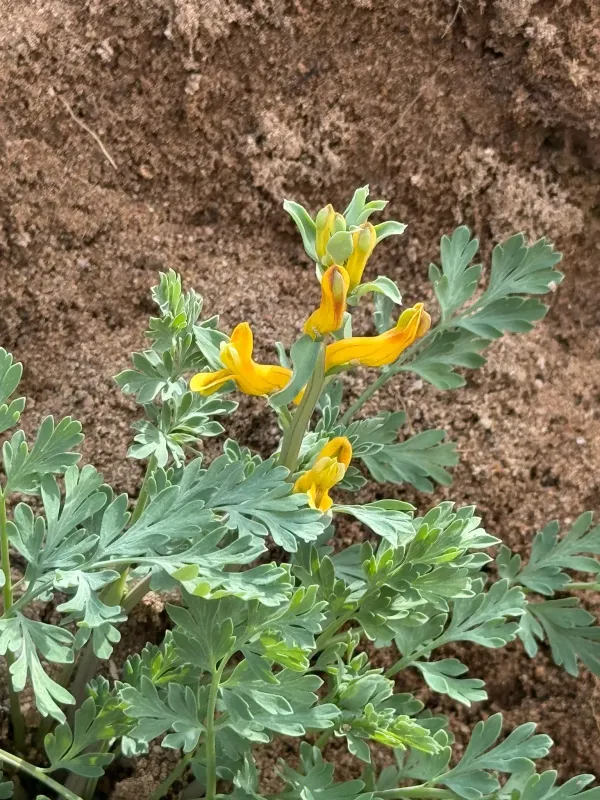
Description
Sowing dates
Golden corydalis is a charming herbaceous perennial from the Papaveraceae family. It is typically propagated by seeds, which require a period of stratification to germinate effectively. Sowing is best performed in late autumn directly into the garden beds.
For spring sowing, seeds should be pre-chilled in a refrigerator for several weeks to simulate winter conditions. They should be sown shallowly, barely covering them with a thin layer of fine soil to ensure they receive sufficient light for emergence.
The substrate for propagation should be loose, well-draining, and rich in organic matter. A mixture of horticultural peat, sand, and garden loam creates an ideal environment for seedling development during the first months of life.
Moisture levels must be monitored carefully post-sowing. The soil should remain consistently damp but never waterlogged, as excessive water can easily cause seed rot before germination occurs in the spring.
Once seedlings have developed their first set of true leaves, they can be transplanted to their permanent locations. The plant grows relatively slowly initially, establishing its root system before producing a foliage rosette.
Growing requirements
Golden corydalis thrives in partial shade, mimicking its natural woodland habitat. It is highly adaptable to various soil types, provided they are well-drained and possess a neutral to slightly acidic pH balance for optimal growth.
Drainage is the most critical factor for this species. It cannot tolerate heavy or water-logged soils, which quickly lead to root crown rot, particularly during the dormant period or early spring snowmelt.
The plant is hardy and well-suited for temperate climates. In regions with harsh, open winters, providing a light mulch of wood chips or straw can protect the crown and dormant buds from extreme temperature fluctuations.
While the plant requires regular moisture during the growing season, it is somewhat drought-tolerant once established. Prolonged hot weather may cause the plant to enter early dormancy, with foliage yellowing and dying back — this is a natural biological cycle.
Periodic fertilization with a balanced, slow-release granular fertilizer early in the spring supports vigorous growth and abundant flowering. Avoiding high-nitrogen formulas helps maintain a sturdy plant structure and prevents excessive leafy growth at the expense of blooms.
Main diseases and pests
Fungal pathogens are the primary concern for golden corydalis, especially in humid and stagnant air conditions. Root rot and leaf spot are the most frequent issues, often exacerbated by poor drainage and excessive irrigation.
Proper air circulation is essential for disease prevention. Ensuring adequate spacing between individual plants during installation helps mitigate the risk of powdery mildew and other airborne infections that may plague the garden.
Slugs and snails are the most common pests, particularly affecting young, tender growth during the early spring months. Physical barriers, such as copper tape or crushed shells, can be used to protect the plants effectively.
Aphids may occasionally infest flower stalks during warmer spells. A simple spray of insecticidal soap or a strong stream of water is usually sufficient to manage minor infestations without relying on harsh chemicals.
Maintaining a weed-free environment is crucial, as weeds compete for nutrients and often serve as alternate hosts for pests and diseases. Regularly checking the foliage for signs of discoloration or damage allows for early intervention.
Harvesting
Harvesting for seed collection is the primary reason for intervention, as the plant naturally disperses its seeds through explosive dehiscence. Seed pods should be harvested just as they begin to yellow and before they snap open.
To collect seeds effectively, one can place a small organza bag over the developing pods. This catches the mature seeds as the pods burst, ensuring a high collection rate for propagation in the following season.
If the goal is to maintain the plant's vigor, cutting back the spent flower stalks can prevent the plant from wasting energy on seed production. This practice often encourages the plant to remain green for a longer duration.
Foliage can be harvested or trimmed back once the plant naturally enters dormancy. If the leaves turn yellow or brown during mid-summer, they can be tidied up, as the plant will re-emerge the following spring from its underground storage organ.
For those interested in medicinal or botanical study, harvesting foliage should be done with care, ensuring that a significant portion of the root system remains undisturbed to guarantee survival for the subsequent growing year.