
Kashmir corydalis
Corydalis cashmeriana
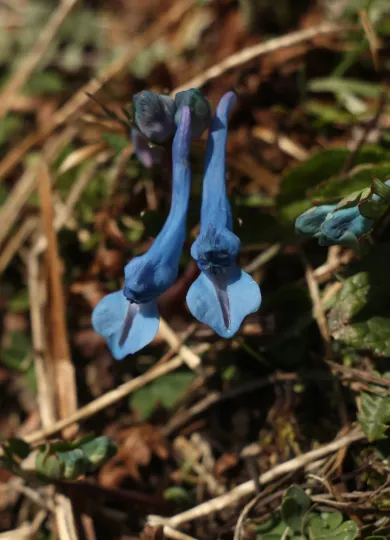
Description
Sowing dates
Propagation of Kashmir corydalis is typically achieved through seed germination or careful division of the tubers. Seeds require a prolonged period of cold stratification to break dormancy, making autumn sowing ideal.
When propagating by division, ensure that each piece of the tuber contains at least one growth bud. This process should be carried out during the dormant season to minimize stress on the plant.
Sowing should be done in a well-drained, porous potting mix. Covering the seeds with a thin layer of fine grit can help maintain moisture levels and prevent soil compaction.
Seedlings grow slowly and require consistent moisture until they are established. It is recommended to keep them in a cold frame or a cool greenhouse during their first season.
Transplanting should be handled with extreme care to avoid damaging the brittle roots. Young plants are best moved while they are still in their dormant phase.
Growing requirements
Kashmir corydalis is a member of the Papaveraceae family, native to the high-altitude regions of the Himalayas. Its unique beauty is defined by its intense blue flowers and delicate, fern-like foliage.
The plant thrives in cool, moist environments and requires protection from extreme heat and direct afternoon sunlight. It is essential to replicate its alpine habitat as closely as possible.
Soil must be rich in organic matter, such as leaf mold, but must also have excellent drainage to prevent the tubers from rotting during their dormant summer period.
Air circulation is vital for the plant's health, as it is susceptible to diseases in stagnant, humid air. Partial shade is generally the best location in a garden setting.
- Environment: Cool and humid, alpine-like conditions.
- Watering: Needs consistent moisture but dislikes waterlogging.
- Soil: Sandy, loamy, well-drained, slightly acidic.
- Hardiness: Excellent cold tolerance, but sensitive to summer heat.
Main diseases and pests
The most significant threat to this species is tuber rot caused by poor drainage. This condition is often exacerbated by overwatering during the summer months when the plant is dormant.
Slugs and snails are major pests that can devour the emerging foliage overnight. Using physical barriers or organic bait is necessary during the active growing season.
Powdery mildew can occur if the plants are crowded or if there is insufficient air movement. Thinning out plantings can help mitigate this risk significantly.
Aphids may occasionally attack the tender new growth, requiring a mild application of insecticidal soap if the infestation becomes problematic for the plant's health.
Regular inspection is key to early detection of any health issues. Maintaining a clean garden environment by removing decaying plant matter helps reduce the presence of pathogens.