
Corydalis bungeana
Corydalis bungeana
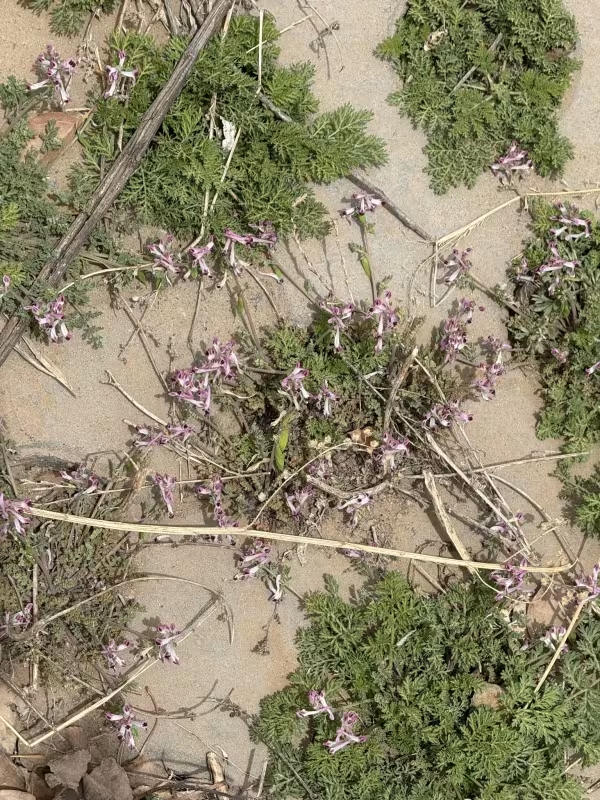
Description
Sowing dates
Corydalis bungeana belongs to the Papaveraceae family and is a perennial herbaceous plant. The seeds have a deep dormancy, which necessitates cold stratification for 1–2 months to ensure successful germination.
Sowing in open ground is best performed in late autumn, allowing the seeds to undergo natural stratification throughout the winter. For spring planting, seeds must be artificially pre-chilled in a refrigerator.
Seeds should be sown at a depth of 0.5–1 cm. Because they are quite small, it is critical not to bury them too deeply, which could prevent emergence. Pressing the soil lightly after sowing improves seed-to-soil contact.
Seedlings emerge unevenly, which is common for many species of the genus Corydalis. The optimal temperature range for germination is between 10 and 15 degrees Celsius.
When starting seeds in containers, transplanting should be done at the stage of the first true leaf. Since the plant is sensitive to root damage, the transplanting process must be performed carefully, keeping the soil ball intact.
Growing requirements
The crop thrives in light, fertile, sandy, or loamy soils with high aeration and drainage. Waterlogging is detrimental to the plant and often leads to the rotting of the tubers and root systems.
The plant prefers semi-shaded areas, mimicking its natural habitat in forest edges and shrublands. Direct sunlight during peak hours can cause premature wilting and stress to the foliage.
The optimal soil pH level ranges from slightly acidic to neutral (pH 6.0–7.0). Over-application of nitrogen fertilizers is not recommended, as it promotes excessive leaf growth at the expense of flowering and active ingredient synthesis.
This plant exhibits high frost resistance, making it suitable for regions with cold climates. A layer of snow cover serves as a natural insulator, protecting the tubers from deep freezing during the winter months.
Moderate moisture is required during the growing season. While regular irrigation is necessary during dry spells, it is essential to prevent stagnant water, especially during the flowering phase when the plant is most vulnerable.
Main diseases and pests
Root rot is the primary threat to the crop, usually triggered by poor drainage and excessive watering. Preventing soil compaction and ensuring good drainage are key preventive measures.
High humidity can lead to the development of powdery mildew on the leaves. If symptoms appear, treating the plants with authorized bio-fungicides or sulfur-based agents is recommended.
Soil-dwelling insect larvae can damage the root systems. Crop rotation and maintaining soil hygiene are effective practices to minimize the presence and impact of these pests.
Slugs and snails often feed on young sprouts in the spring. Implementing protective barriers, such as wood ash or crushed gravel around the planting site, can help protect the young plants.
Maintaining a weed-free environment is essential to reduce the risk of pathogen spread. Regularly removing crop residues also prevents the overwintering of pests and infectious agents on the plot.
Harvesting
The medicinal material consists of both the above-ground biomass and the tuberous roots. Harvesting the aerial parts should be performed during the peak flowering stage when alkaloid concentrations are highest.
Roots are harvested after the growing season has concluded and the above-ground parts begin to wither. During this phase, the tubers contain the maximum reserve of nutrients and pharmacologically active compounds.
Once harvested, the material must be cleaned of soil, washed, and dried. Drying should take place in shaded, well-ventilated areas or in temperature-controlled dryers at no higher than 40 degrees Celsius.
Proper drying techniques ensure the retention of color and chemical stability. Stored products should be kept in dark, cool, and dry conditions, ideally in airtight containers to prevent oxidation.
The хозяйственное utilization of Corydalis bungeana centers on its use in traditional medicine due to the presence of isoquinoline alkaloids that provide analgesic and sedative effects.