
Corydalis turtschaninovii
Corydalis turtschaninovii
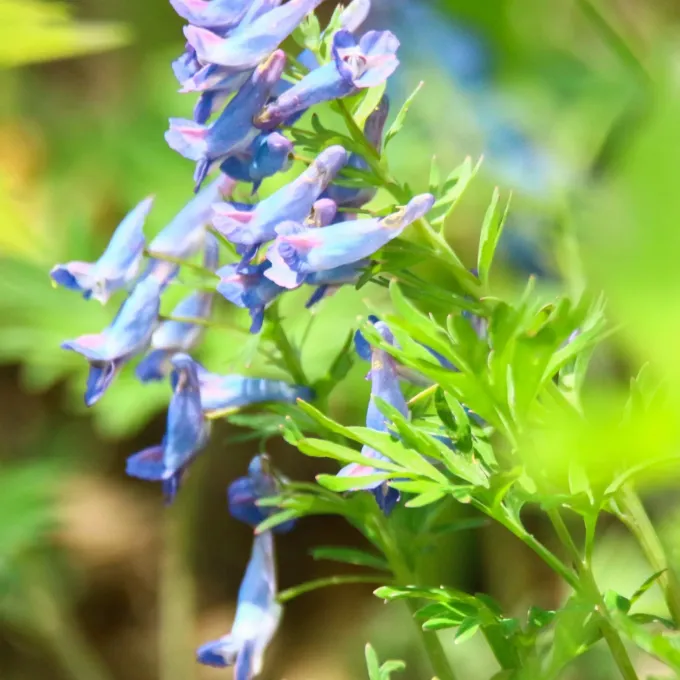
Description
Sowing dates
Corydalis turtschaninovii is a spring ephemeral, meaning the optimal time for seed sowing is during late summer or early autumn, immediately after harvesting the seeds.
Seeds require natural stratification to break dormancy; therefore, sowing directly into open ground before winter is the most effective method for successful germination.
The seeds should be sown at a depth of 1–2 centimeters in loose, nutrient-rich soil that retains moisture throughout the spring season.
Vegetative propagation is also possible by dividing mature tubers during the dormant period, ensuring each segment has a healthy growth bud.
It is important to note that seedlings grown from seeds typically take two to three years to reach their full flowering maturity.
Growing requirements
This species belongs to the Papaveraceae family and naturally thrives in shaded or semi-shaded environments with forest-like soil conditions.
The plant is highly cold-hardy, having evolved to adapt to the harsh seasonal changes characteristic of its native East Asian regions.
Soil must be rich in organic matter, well-draining, and maintain a neutral to slightly acidic pH to support the development of delicate tubers.
Consistent moisture is required during the early spring growth phase, but waterlogging must be strictly avoided to prevent tuber rot.
- High organic soil content;
- Protection from intense direct sunlight;
- Excellent drainage properties;
- Low competition from aggressive weeds.
Yield
The yield of Corydalis turtschaninovii is primarily based on the production of tubers, which contain valuable alkaloids used in modern pharmacy.
Productivity per hectare is influenced by the density of the planting and the maintenance of soil fertility throughout the cultivation cycle.
By optimizing microclimate conditions and soil nutrients, growers can achieve higher quality and larger biomass of tubers for industrial use.
Periodic monitoring of plant health ensures that the yield remains consistent and that harvesting happens at the peak of alkaloid concentration.
Sustainable agricultural practices help to maintain soil vitality for future planting cycles, preventing yield depletion over time.
Main diseases and pests
The primary threats to this crop include soil-borne fungal pathogens, which are exacerbated by poor drainage and excessive irrigation.
Fusarium wilt and various forms of root rot represent significant risks that can destroy tuber yields if left unchecked.
Soil-dwelling insect larvae can damage the root system, weakening the plants and making them more susceptible to subsequent infections.
Preventative measures, such as soil sterilization or the use of fungicides, are recommended for maintaining a healthy production environment.
Rodents can also pose a serious problem by consuming the tubers during the dormant winter phase, requiring effective pest control strategies.
Harvesting
The harvesting process begins once the plant's aerial parts have fully withered and dried, signaling that the nutrients have moved into the tubers.
Mechanical harvesting tools should be used with care to lift the tubers from the ground without causing physical damage to the plant tissue.
After excavation, the tubers are cleaned of soil and processed through a gentle drying sequence in ventilated, shaded areas to prevent spoilage.
Strict temperature control during the drying phase is essential to maintain the integrity of the chemical compounds within the harvested material.
Properly dried products should be stored in containers that allow airflow to ensure long-term stability and quality for pharmaceutical use.