
Corydalis triternata
Corydalis triternata
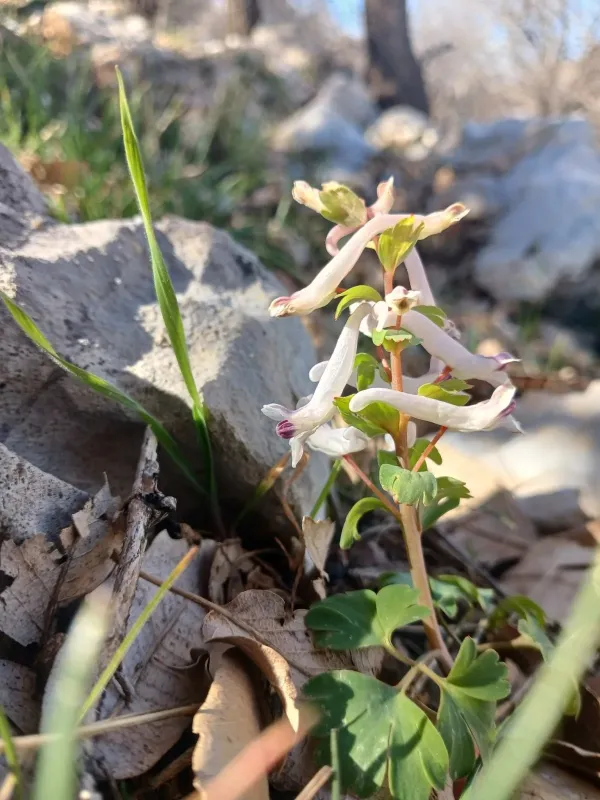
Description
Growing requirements
Corydalis triternata is a perennial herbaceous plant belonging to the poppy family (Papaveraceae). As a spring ephemeral, it completes its life cycle within a short timeframe, blooming early in the season before the arrival of summer drought.
The plant originates from mountainous regions, including the Crimean Peninsula. It naturally inhabits rocky slopes and shaded forest areas, thriving in well-drained, nutrient-rich soils that provide excellent aeration for its delicate root system.
Successful cultivation of Corydalis triternata requires partial shade or dappled light. It is sensitive to excessive heat and direct sunlight, which can trigger early senescence of the plant's aerial parts.
The plant is highly frost-hardy, adapting well to the temperature fluctuations of early spring. It requires consistent moisture during its active growing phase but demands a dry, dormant period for its tubers to remain healthy and pathogen-free.
Agrotechnical care involves minimal soil disturbance. Because the plant enters a dormant state shortly after flowering, it is essential to mark the planting spots clearly to avoid accidentally digging up the dormant tubers during subsequent maintenance.
Main diseases and pests
Corydalis triternata is generally resistant to many common garden pests and diseases. However, in poorly drained or waterlogged soils, the primary threat remains the development of fungal rot affecting the subterranean tubers.
Slugs and snails are the most prominent pests, especially during wet springs. They can quickly damage tender young leaves and flowers, so monitoring is essential to prevent significant aesthetic damage to the planting sites.
Soil-dwelling larvae, such as those of the cockchafer, can occasionally feed on the tubers, causing plant decline. Incorporating well-composed organic matter and maintaining proper soil structure helps to discourage such pests.
Viral infections, while uncommon, can manifest as stunted growth or leaf discoloration. Affected plants should be removed and destroyed promptly to prevent the spread of the virus throughout the population.
Maintaining a clean growing environment and ensuring proper drainage are the most effective strategies for managing potential threats. By providing optimal conditions, the plant remains vigorous and resilient throughout its growing season.