
Corydalis tashiroi
Corydalis tashiroi
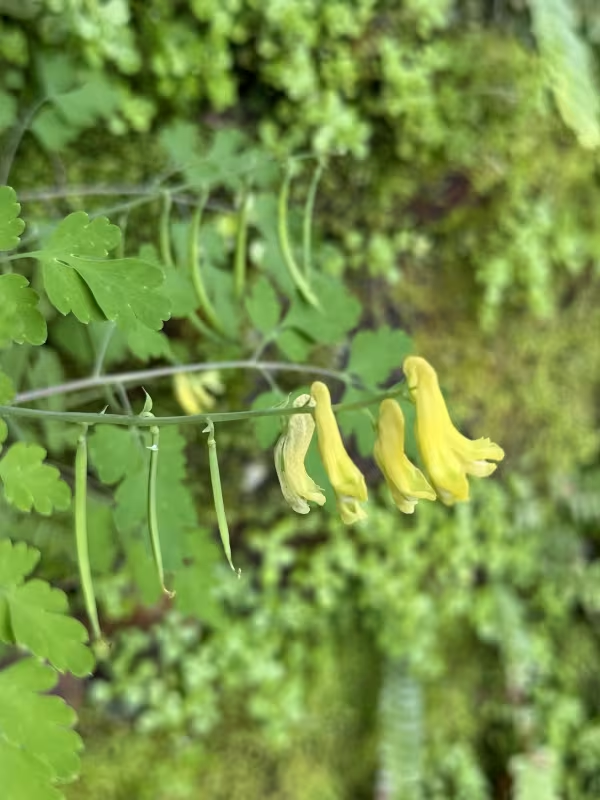
Description
Sowing dates
Corydalis tashiroi is a distinctive herb belonging to the Fumariaceae family. It is a perennial plant characterized by a short, intensive growth cycle that typically occurs in the early spring.
For seed propagation, it is essential to sow the seeds immediately after harvest, ideally in late autumn. Cold stratification is a biological requirement for successful germination, which is naturally achieved through winter temperatures.
Vegetative propagation is achieved by dividing the tubers during the plant's dormant phase. This is best executed as the foliage dies back, ensuring the plant has sufficient stored energy to survive the transition.
Seeds should be sown at a shallow depth of approximately 1 centimeter. Covering the seedbed with a thin layer of organic mulch helps maintain consistent moisture levels, which is critical for embryonic development.
Given the plant's ephemeral nature, growers should mark the planting site clearly. Since the above-ground parts vanish after the growth cycle, accidental damage to the dormant tubers must be avoided.
Growing requirements
Corydalis tashiroi thrives in environments that replicate forest floor conditions. Dappled sunlight or partial shade is optimal, as excessive direct sunlight can lead to leaf scorching and premature dormancy.
The ideal growing medium is a loose, well-draining soil rich in organic matter. A mixture of loam, peat, and leaf mold provides the necessary structure to support the delicate root system.
Soil pH should ideally be neutral or slightly acidic. Incorporating decomposed organic material annually ensures the plant receives the nutrients necessary for vigorous spring emergence and flowering.
Adequate soil moisture is required during the brief active growth period. While the plant requires moisture, it is equally important to avoid waterlogged conditions, which can quickly lead to tuber rot.
The species is well-adapted to temperate climates and demonstrates significant winter hardiness. Providing a layer of organic mulch in the fall can protect the soil from deep freezing and sudden temperature fluctuations.
Main diseases and pests
One of the primary threats to Corydalis species is soil-borne fungal pathogens, particularly in areas with poor drainage. Rotting of the tubers is a common issue when conditions remain overly wet.
Slugs and snails can pose a serious threat to the emergent foliage in early spring. Regular monitoring and physical barriers are recommended to protect the tender young growth from infestation.
Aphids occasionally target the flower stalks, potentially stunting growth and reducing seed quality. Integrated pest management, focusing on biological controls, is preferred over chemical interventions.
Viral infections can affect the health of the plant, often manifesting as mosaic patterns on the leaves. Infected specimens should be carefully removed and destroyed to prevent the spread of the pathogen.
Root-knot nematodes can also be a hidden threat, weakening the overall plant health by attacking the tuberous root system and limiting nutrient uptake from the soil.