
Corydalis stricta
Corydalis stricta
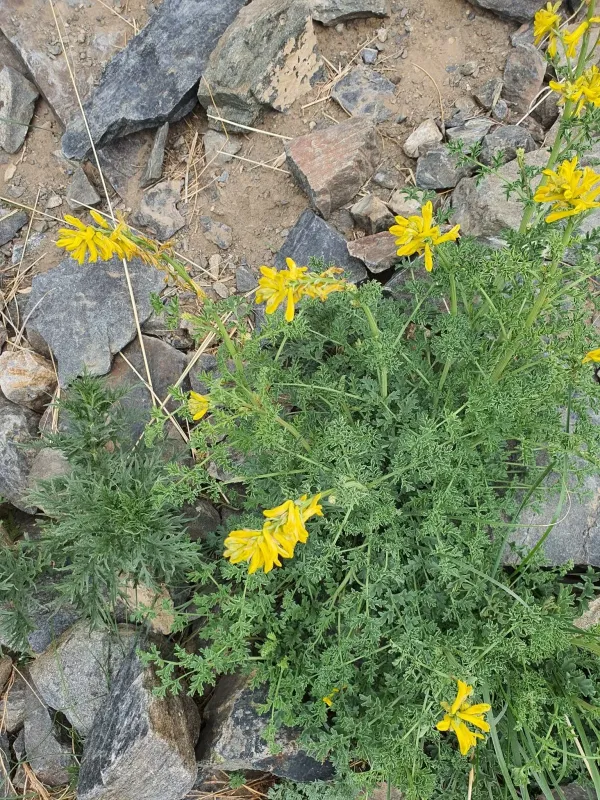
Description
Growing requirements
Corydalis stricta is a perennial herbaceous plant belonging to the Fumariaceae family. It is native to the harsh environments of Central Asia, specifically the Himalayan and Tibetan mountain ranges, where it thrives at high altitudes.
The plant is characterized by its compact structure and rigid stems, which allow it to withstand strong mountain winds and intense solar radiation. It typically grows in rocky crevices and gravelly slopes where few other species can establish.
For agricultural cultivation, the plant requires excellent drainage. Sandy or stony soils with a neutral to slightly alkaline pH are ideal. It cannot tolerate heavy or waterlogged soil, which leads to immediate root rot and plant death.
Climatic requirements focus on high light intensity and cool temperatures. While the plant can tolerate significant cold, it requires a distinct period of dormancy during the winter months to reset its biological cycle.
Soil nutrient requirements for Corydalis stricta are relatively low. Over-fertilization, especially with nitrogen-heavy products, can lead to weak growth and increased susceptibility to pests or diseases.
Main diseases and pests
The primary threat to the health of Corydalis stricta is moisture-related fungal infection. Root rot, caused by species such as Pythium or Rhizoctonia, is the leading cause of loss in cultivation.
Pests are generally less of a problem than in lowland crops, but aphids can cause damage during the succulent growth phase in early spring, leading to plant stunting and virus transmission.
Slugs and snails can pose a significant threat to young seedlings and emerging shoots, especially in cooler, damp locations where the plant's natural defense mechanisms are slowed down.
Integrated pest management should focus on maintaining a dry, well-ventilated environment. Removing plant debris from around the base of the plant reduces the risk of harboring overwintering spores.
In cases of severe infestation, targeted applications of systemic pesticides or fungicides may be necessary, provided that the dosage is adjusted for the specific physiological needs of the species.