
Corydalis stracheyi
Corydalis stracheyi
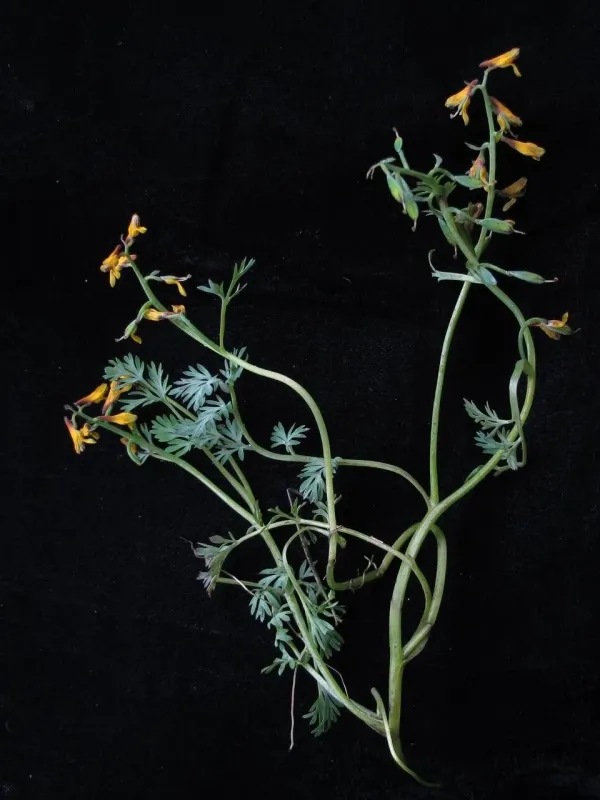
Description
Growing requirements
Corydalis stracheyi is a perennial herb belonging to the Papaveraceae family. Native to the high-altitude regions of the Himalayas and the Tibetan Plateau, this plant is uniquely adapted to thrive in harsh alpine environments at elevations exceeding 4,000 meters.
The crop requires well-drained, rocky or sandy soils that mimic its natural alpine habitat. These plants are sensitive to waterlogged conditions, which can lead to rapid decay of their tuberous root systems, making gravel-based substrates essential for successful cultivation.
Climate requirements include high solar radiation and significant temperature fluctuations between day and night. In temperate agricultural settings, it is crucial to protect the plants from high summer heat and humidity, which act as primary limiting factors for the health of this species.
Agronomic management focuses on mimicking natural conditions. The plant has low nutritional needs, and applying high levels of nitrogen-based fertilizers is discouraged, as this encourages excessive vegetative growth at the expense of root health and chemical composition.
Propagation is primarily achieved through seeds, which require a cold stratification period to break dormancy. Sowing should ideally be conducted in late autumn to ensure that natural winter temperatures trigger the germination processes for the following spring season.
Main diseases and pests
The primary threats to this crop involve pathogenic fungi that flourish in poorly drained soils. Root rot and fungal blight are common risks, particularly during seasons with excessive or unseasonable rainfall that keeps the root zone consistently wet.
Pests such as soil-dwelling larvae can feed on the tuberous roots, causing significant damage. Maintaining a clean cultivation environment and utilizing well-structured, sterile substrates is the most effective preventative measure against these infestations.