
Corydalis speciosa
Corydalis speciosa
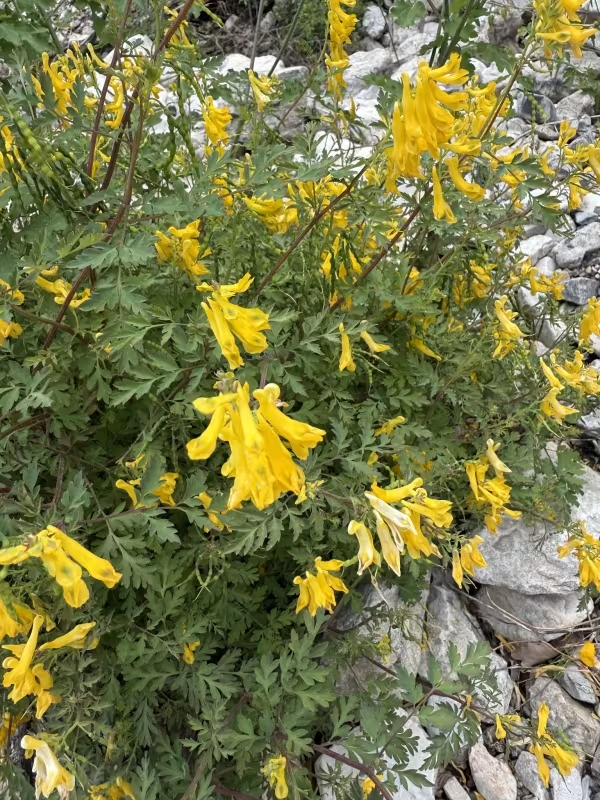
Description
Sowing dates
Corydalis speciosa, a member of the Papaveraceae family, is typically grown from seed sown in autumn or early spring. For best results, seeds should be sown in a well-prepared seedbed that provides consistent moisture and shade.
- Sowing depth: 0.5–1 cm.
- Recommended spacing: 20–25 cm.
- Optimal substrate: Light, organic-rich soil mix.
Stratification is essential for these seeds to germinate effectively. Exposure to cold temperatures over the winter breaks dormancy, leading to stronger, more uniform emergence during the spring season.
If sowing indoors, utilize seed trays with high-quality peat moss to ensure proper drainage. Avoid direct sunlight during the germination phase, as the seeds and fragile young shoots are sensitive to desiccation.
Once seedlings reach a stage with three true leaves, they should be carefully transplanted to their permanent location. Handle the root system with caution to minimize transplant shock and encourage rapid establishment.
Growing requirements
This crop thrives in cool, moist, and semi-shaded environments. It is best suited for woodland garden setups or areas where it is protected from intense, direct midday sun which can scorched its delicate foliage.
The soil must have an excellent drainage structure; heavy, waterlogged clay soils are detrimental to the root system and will lead to rapid decay. Incorporation of compost or fine bark helps maintain the desired aeration.
Consistent soil moisture is required during the active growth phase, particularly as the flower spikes begin to develop. Supplemental irrigation is advised during periods of low rainfall to ensure optimal blooming performance.
The plant demonstrates good frost hardiness, making it suitable for temperate climate zones. However, providing a light layer of winter mulch can stabilize soil temperatures and protect the crown from extreme frost cycles.
Balanced fertilization with slow-release organic granules is recommended at the start of the growing season. High-nitrogen fertilizers should be avoided as they promote lush vegetative growth at the expense of flower production.
Main diseases and pests
Slugs and snails are the primary pests that target this crop, especially during cool and humid weather conditions. Implement barriers or biological control measures to prevent foliage damage that can compromise the plant's health.
Powdery mildew is the most common fungal disease, typically occurring when airflow is restricted or humidity remains high. Proper spacing and thinning out excess plants can significantly improve air circulation.
Root rot, driven by stagnant water, is a significant threat that can be fatal to the crop. Preventive measures include choosing raised beds or amending soils with grit and sand to facilitate water passage away from roots.
Aphids can congregate on tender new growth, drawing out plant sap and causing leaf curling. Regular inspection of the undersides of leaves is necessary to detect infestations early and allow for targeted treatment.
To ensure long-term health, remove any dead or dying leaf material after the flowering phase. This practice minimizes the surface area for pathogen colonization and creates a cleaner environment for the next growth cycle.