
Siberian corydalis
Corydalis sibirica
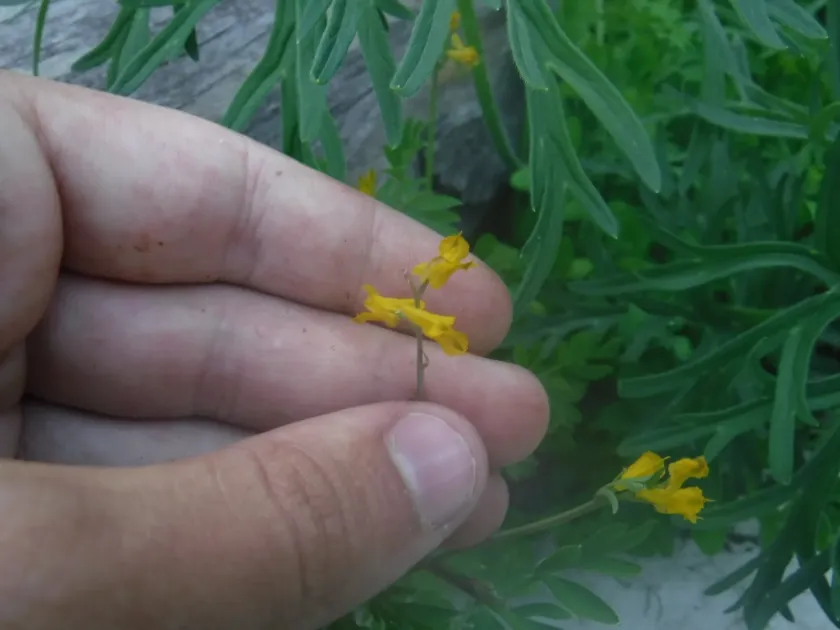
Description
Growing requirements
Siberian corydalis (Corydalis sibirica) is a herbaceous plant belonging to the Papaveraceae family. It is naturally occurring in Siberia and other parts of Northern Asia, typically found in rocky habitats and mountain slopes.
Botanically, the plant is characterized by its delicate, finely divided leaves and branched stems. It grows as an annual or biennial, completing its life cycle efficiently in the cool environments of its native range.
For successful agricultural production, the plant requires well-drained, porous soil with moderate organic content. It thrives best in partially shaded areas, as direct, intense sunlight can cause desiccation of the foliage during peak summer months.
The climate requirements include a preference for cool spring and summer temperatures. Siberian corydalis is highly resistant to frost, making it suitable for regions with harsh winters where it remains dormant until the arrival of warmer conditions.
Cultivation practices should focus on maintaining consistent soil moisture without allowing waterlogging. Regular weeding is necessary to prevent competition for nutrients, as the plant has a relatively shallow and delicate root system.
Main diseases and pests
Major threats to this crop include fungal infections such as powdery mildew, which thrive in humid and poorly ventilated conditions. Implementing proper plant spacing is essential to ensure adequate airflow and reduce the risk of outbreaks.
Insects like aphids and spider mites can impact plant vigor, particularly when the crop is subjected to stress. Integrated pest management, focusing on early detection and biological control, is the most effective way to protect the crop throughout the season.