
Scouler's fumewort
Corydalis scouleri
Description
Growing requirements
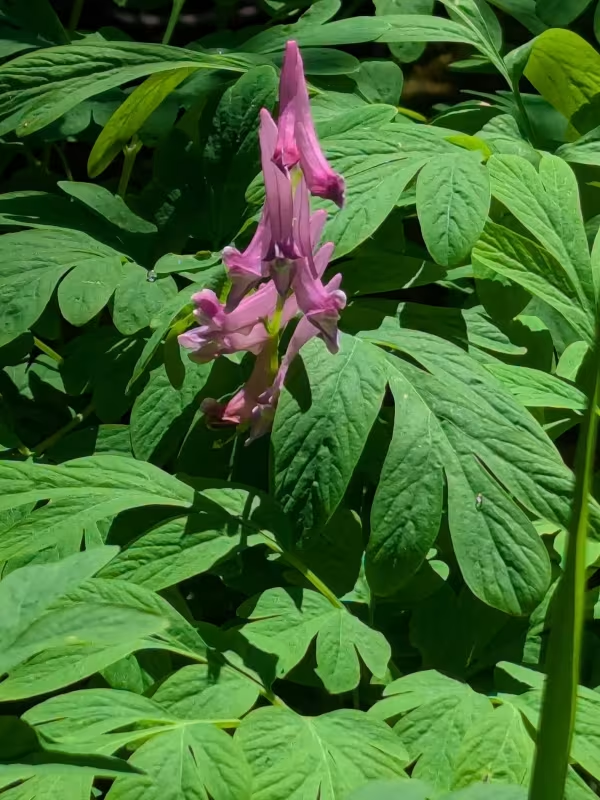
Scouler's fumewort (Corydalis scouleri) is a robust perennial plant belonging to the Papaveraceae family. It is distinguished from other members of the genus by its impressive height, often reaching up to 3 feet in ideal growing conditions within woodland environments.
Native to the Pacific Northwest of North America, this species thrives in cool, moist forest habitats. It is adapted to low light levels and high humidity, making it an excellent choice for shaded garden areas where other perennials might struggle to establish.
The plant requires deep, rich soil that is high in organic matter. While it loves moisture, it is essential that the soil structure provides adequate drainage; waterlogged conditions during the winter dormancy can prove fatal to the fleshy root systems.
Botanically, it features large, fern-like foliage and racemes of attractive pink to lavender flowers. Its structure provides a lush, architectural element in landscape design, especially when grouped in naturalistic woodland plantings.
Regarding maintenance, it requires minimal intervention once established, provided the site mimics its native woodland home. Mulching is highly recommended to keep roots cool during the summer months and to maintain consistent soil moisture levels throughout the growing season.
Main diseases and pests
Slugs and snails are the most significant pests for Scouler's fumewort, as they are attracted to its succulent foliage. Heavy infestations can cause substantial leaf damage, necessitating the use of organic deterrents or bait to protect the young growth.
Root rot is the primary disease concern, usually triggered by poor drainage or overwatering during periods of dormancy. If the soil remains saturated for extended periods, the crown and roots are highly susceptible to fungal pathogens.
While the plant is generally hardy, overcrowding in poorly ventilated areas can lead to fungal leaf spots. Proper spacing and ensuring adequate airflow around the base of the plant can significantly mitigate these risks during humid weather.
Invasive weeds can pose a threat by competing for nutrients in the early spring, so manual weeding is advised. However, caution should be exercised when cultivating near the base to avoid damaging the shallow root system.
Regular monitoring during the spring emergence is the best strategy for pest and disease management. Early intervention at the first signs of stress ensures the plant remains vigorous throughout its relatively long spring and early summer growing period.