
Rue-leaved corydalis
Corydalis rutifolia
Description
Growing requirements
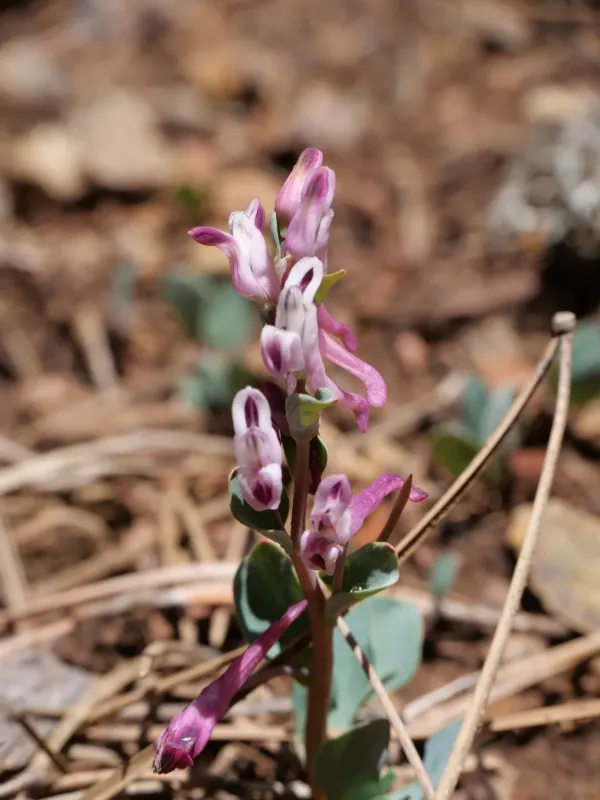
Rue-leaved corydalis (Corydalis rutifolia) is a herbaceous perennial plant belonging to the Papaveraceae family. As a tuberous ephemeral, it completes its life cycle within a very short timeframe during the early spring season.
The native range of the species extends across the mountainous terrains of the Eastern Mediterranean, including Turkey and surrounding regions. It is typically found in stony habitats, limestone screes, and alpine meadow environments.
Regarding soil requirements, the species demands highly permeable, well-draining substrates. Heavy, water-retaining soils are unsuitable as they often lead to tuber rot during the plant's natural summer dormancy period.
The climate must provide a distinct shift between a cool, moist spring and a dry, warm summer. The plant is adapted to cold winters, surviving underground as a dormant tuber, which allows it to thrive in regions with significant temperature fluctuations.
Cultivation practices involve minimal maintenance; the key is to replicate alpine conditions. Successful growth depends on site selection, ensuring the plants receive sufficient sunlight in spring while being protected from excessive heat during the summer months.
Main diseases and pests
Fungal pathogens represent the most significant threat to the culture. Issues such as grey mold or soft rot often occur when the soil remains too wet, particularly during unseasonably warm and damp winters or early springs.
Pests such as root aphids and larvae of various coleopterans can cause significant damage to the tubers, weakening the plant's vitality for the subsequent growth season. Protecting the root zone is a critical part of plant management.
Cultural control methods involve strict water management, ensuring that the dormancy period remains dry enough to prevent decay. Furthermore, maintaining a clean environment around the plantings helps to minimize the pressure from opportunistic diseases.
In case of pest outbreaks, targeted applications of appropriate pesticides may be required, though careful inspection is preferred over prophylactic chemical use to preserve the integrity of the soil ecosystem.
Proper plant spacing and the use of grit in the planting hole are effective measures to promote drainage and airflow, which significantly reduces the risk of root-related complications throughout the lifecycle of the plant.