
Siberian corydalis
Corydalis pumila
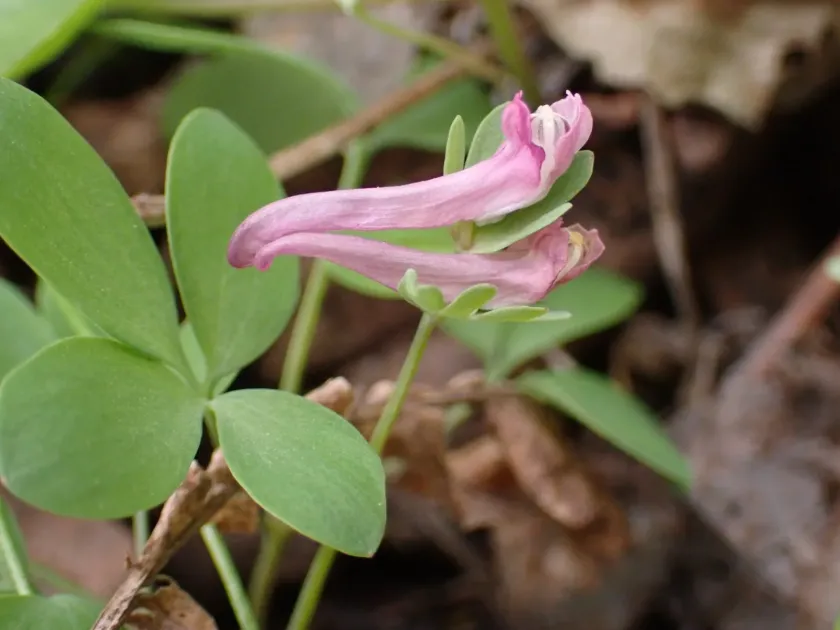
Description
Growing requirements
Corydalis pumila, known as the Siberian corydalis, is a tuberous perennial herb within the Papaveraceae family. It is recognized as a spring ephemeral, completing its growth cycle rapidly before the tree canopy fully develops.
The plant originates from temperate regions and is typically found in deciduous forests. It thrives in shaded or semi-shaded environments, making it suitable for woodland gardens or understory planting in landscaped areas.
Successful cultivation requires soil that is rich in organic matter and possesses excellent drainage properties. While the plant loves moisture during the spring growing phase, it demands a drier environment during its dormancy period.
Temperature management is not critical for survival, as the plant is adapted to early spring frosts. The crucial factor for vegetative growth is the accumulation of nutrients in the tubers during the brief spring window.
In terms of economic and practical use, it serves primarily as an ornamental plant for early spring bloom. Its ability to naturalize in forest-like settings makes it a favorite for gardeners aiming for low-maintenance seasonal displays.
Main diseases and pests
The primary threats to the species are fungal pathogens, specifically those causing root and tuber rots. These diseases thrive in waterlogged conditions, making soil aeration and drainage management essential for plant health.
Viral infections can affect the vitality of the plant, often leading to stunted growth or discolored foliage. Such infections are usually spread by sap-sucking insects, so maintaining general field hygiene is advised.
Pests such as slugs and snails are problematic during the early vegetative stage when foliage is young and succulent. They can cause significant aesthetic damage if not monitored during damp spring weather.
Rodents, particularly voles, may target the underground tubers during the winter months. Protective measures like mesh baskets or natural repellents are effective strategies for preventing underground damage.
Integrated pest management includes rotating planting sites and using high-quality disease-free tubers. Regular inspections during the growth period help to identify issues before they spread throughout the plot.