
Corydalis pseudolongipes
Corydalis pseudolongipes
Description
Sowing dates
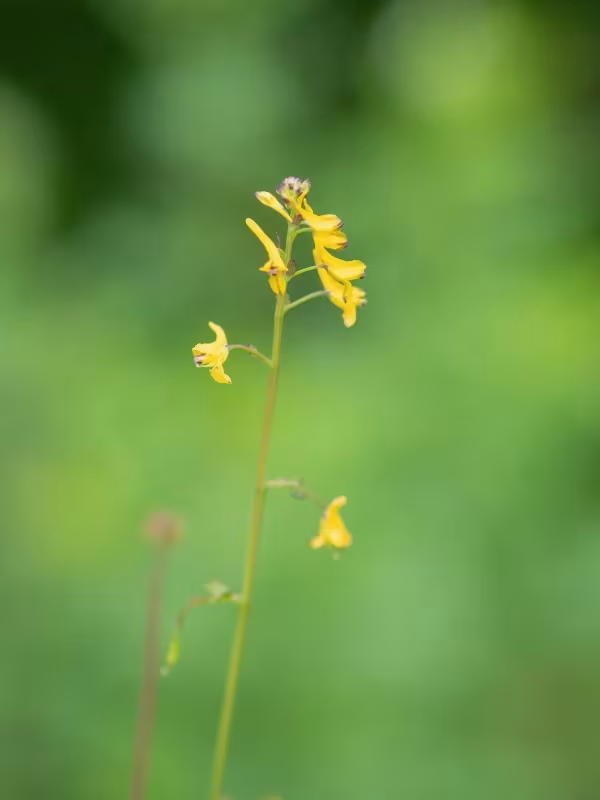
Corydalis pseudolongipes is a perennial herbaceous plant belonging to the Papaveraceae (poppy) family. It is known for its tuberous roots and distinct early-spring growth cycle as an ephemeral.
The optimal sowing time for seeds is late autumn. Sowing before the first frost ensures natural stratification, which is essential for uniform germination when the soil temperatures rise in early spring.
Vegetative propagation via tuber division is also a standard practice for this crop. Dividing tubers should be performed during the plant's dormancy phase, typically after the foliage has died back.
Seeds should be planted at a shallow depth of 1-2 centimeters in well-draining, loose soil. Maintaining consistent soil moisture is crucial during the early stages of seedling development.
The plant exhibits high cold tolerance but thrives best in areas where snow cover provides insulation against extreme temperatures during the coldest months of winter.
Growing requirements
The species prefers partial shade and soil rich in organic matter. Mimicking a forest floor environment by incorporating leaf mold into the soil significantly improves growth and tuber health.
Soil pH should remain neutral to slightly acidic. Heavy clay soils are unsuitable unless amended with sand or small grit to improve drainage and prevent root rot, which is a common threat.
While the plant requires moisture, excessive water must be avoided to prevent fungal infections. Watering should be scaled back once the plant enters its summer dormancy stage.
Regular fertilization with potassium-rich nutrients during the active growing phase helps strengthen the tubers and enhances the plant's resilience for the following year.
Light management is vital. As an ephemeral, the plant requires significant light in early spring, but it should be protected from intense heat and direct sun in the summer.
Main diseases and pests
The primary threats to this culture are fungal diseases resulting from poor soil drainage. Root rot and damping-off are common if the soil remains waterlogged for extended periods.
Pests such as aphids and slugs can damage the tender foliage during the spring. Monitoring is necessary, and organic control measures are recommended to protect the crop.
Rodents may occasionally feed on tubers, particularly in early spring. Installing physical barriers or traps around the cultivation area is an effective management strategy.
Weed competition can significantly inhibit growth. Since the plant is relatively low-growing, manual weeding is preferred to avoid damaging the shallow tuber system.
To minimize disease outbreaks, crop rotation and providing adequate airflow between plants are recommended. Avoiding overcrowding will help maintain a healthy plantation.
Harvesting
Harvesting for medicinal research purposes is best performed during full bloom, when the secondary metabolites in the aerial parts are at their peak concentration.
Harvesters should ensure that the subterranean tuber remains intact and undisturbed to allow the plant to regenerate during the next growing season.
Post-harvest processing involves air-drying the aerial parts in a cool, shaded, and well-ventilated location. Avoid high-temperature drying methods to preserve chemical integrity.
Gardeners should leave the foliage to yellow and wither naturally before removing it, as this allows the tuber to reabsorb essential nutrients for storage.
In terms of economic use, the focus remains on niche markets for medicinal plants and ornamental horticulture, where proper cultivation protocols are key to high yields.