
Corydalis popovii
Corydalis popovii
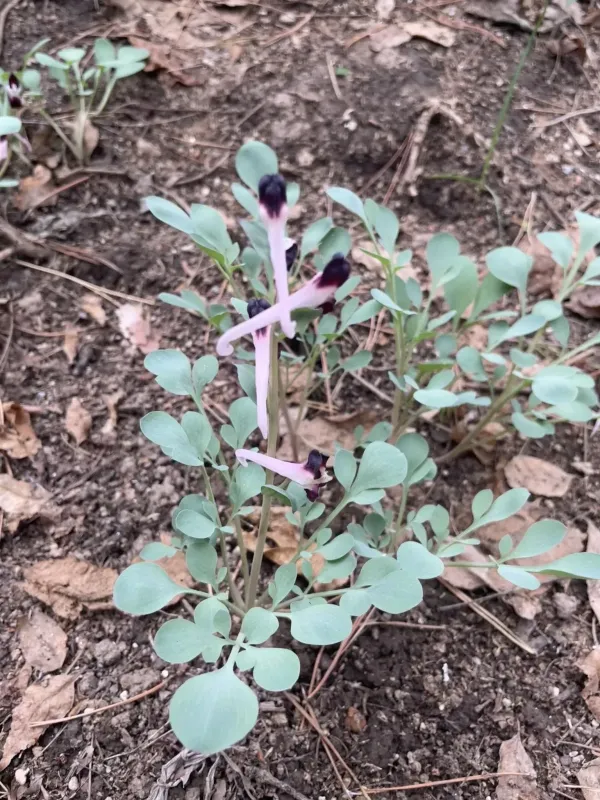
Description
Sowing dates
Corydalis popovii is a quintessential ephemeral plant whose biological rhythm is strictly tied to the spring season. In a cultivation setting, sowing seeds is best performed during the autumn, as they require a prolonged period of cold stratification to break dormancy and ensure germination.
Seeds should be sown at a depth of 1–2 centimeters in a light, well-draining substrate. An ideal potting mix consists of turf soil, leaf mold, and coarse sand, which provides the necessary aeration. Moisture must be maintained during the autumn, yet drainage must be impeccable to prevent rot.
Germination occurs in early spring, immediately following the snowmelt, when soil temperatures rise to 5–8 degrees Celsius. Development is relatively slow, as the plant prioritizes building a small vegetative rosette and initial energy storage in the embryonic tuber during the first year.
Vegetative propagation is achieved by dividing the tubers during the dormant summer phase. After the above-ground parts have fully withered, the tubers can be carefully excavated, divided, and replanted at a depth of 5–10 centimeters in a prepared location.
Proper site selection is paramount as this species is sensitive to disturbance and transplanting. Once established, the tubers should remain undisturbed to minimize the risk of mechanical damage and stress that could hinder subsequent growth cycles.
Growing requirements
As an endemic species native to the mountainous regions of Central Asia, Corydalis popovii thrives in specific geological conditions. It requires rocky or scree-like soil environments that provide excellent drainage, ensuring that water never pools around the tubers.
The plant prefers areas with filtered light. While it thrives in partial shade, it benefits from maximum sun exposure in early spring before deciduous trees and shrubs leaf out. This period of high light intensity is crucial for the plant to accumulate the resources needed for its brief growth window.
Soil texture is a decisive factor: heavy clay soils are unsuitable and will lead to rapid tuber decay. Cultivation should be limited to light, neutral, or slightly alkaline soils that are rich in mineral content but low in organic matter that retains excessive water.
Temperature patterns should mimic the harsh mountain climate. While the plant is highly cold-tolerant, it is sensitive to sharp fluctuations in temperature combined with high humidity, which can trigger premature wilting or fungal issues.
The most important agricultural requirement is a dry dormant period during the summer. Once the foliage yellows, irrigation must be completely ceased to simulate the arid natural habitat where the plant spends the hot summer months in deep rest.
Main diseases and pests
The primary threats to this culture are soil-borne fungal infections, particularly tuber rot, which develops if the soil remains wet during the summer dormancy phase. Ensuring superior drainage and avoiding over-irrigation are the most effective preventative measures.
Pests such as soil nematodes and insect larvae can severely damage the subterranean parts. Utilizing clean, pathogen-free planting material and maintaining strict garden hygiene are essential for preventing the introduction of these pests into the soil.
Young shoots in early spring are susceptible to predation by slugs and snails, which flourish in cool, humid conditions. Protective barriers or organic-safe molluscicides should be deployed around the planting areas to preserve the delicate early growth.
Gray mold (Botrytis) may become a significant issue during prolonged wet spring weather, especially if the air circulation around the plants is poor. Thinning out the plants and selecting breezy locations can drastically reduce the incidence of this fungal disease.
- Apply systemic fungicides for bulb disinfection before planting.
- Maintain a clear schedule for strictly withholding water in summer.
- Regularly monitor the tubers for signs of physical damage or disease.