
Few-flowered corydalis
Corydalis pauciflora
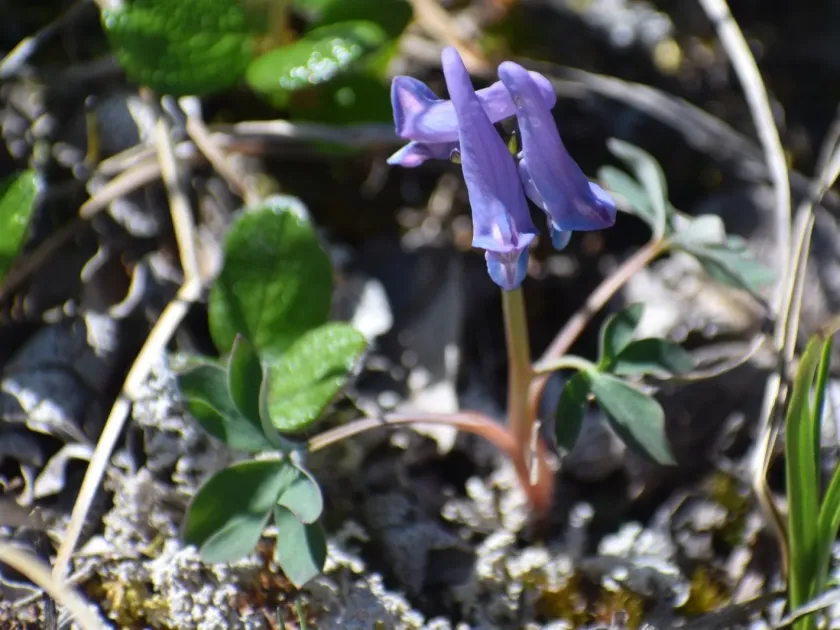
Description
Growing requirements
Few-flowered corydalis (Corydalis pauciflora) is a perennial herbaceous plant belonging to the Papaveraceae family. It is naturally adapted to high-altitude ecosystems, thriving in subalpine and alpine zones, particularly on rocky slopes and near mountain streams.
The plant features a tuberous root system and finely divided foliage, which is characteristic of the genus. Its morphological structure is perfectly evolved for alpine environments, allowing it to complete its life cycle rapidly as the snow retreats.
Cultivation requires conditions that mimic its native mountain habitat. It demands cool soil temperatures and excellent drainage. Excessive moisture during dormancy can lead to rot, while during the growing season, consistent moisture is necessary for healthy leaf development.
The soil for this plant should be gritty, loose, and slightly acidic to neutral. Regular incorporation of organic matter helps improve soil structure, provided the drainage remains high to prevent the roots from becoming waterlogged.
In a horticultural context, Corydalis pauciflora is highly valued as a niche ornamental plant for rock gardens and alpine houses. Its early blooming period makes it an excellent addition to specialized gardens that focus on high-mountain or rare native flora.
Main diseases and pests
The primary concern regarding plant health is the development of fungal infections, such as root rot, caused by stagnant water in the substrate. Maintaining optimal aeration and choosing a site with a natural slope are essential preventive measures.
Common garden pests, particularly slugs and snails, are attracted to the succulent foliage in early spring. Integrated pest management, including physical barriers or biological controls, is recommended to protect the integrity of the planting.