
Pale corydalis
Corydalis pallida
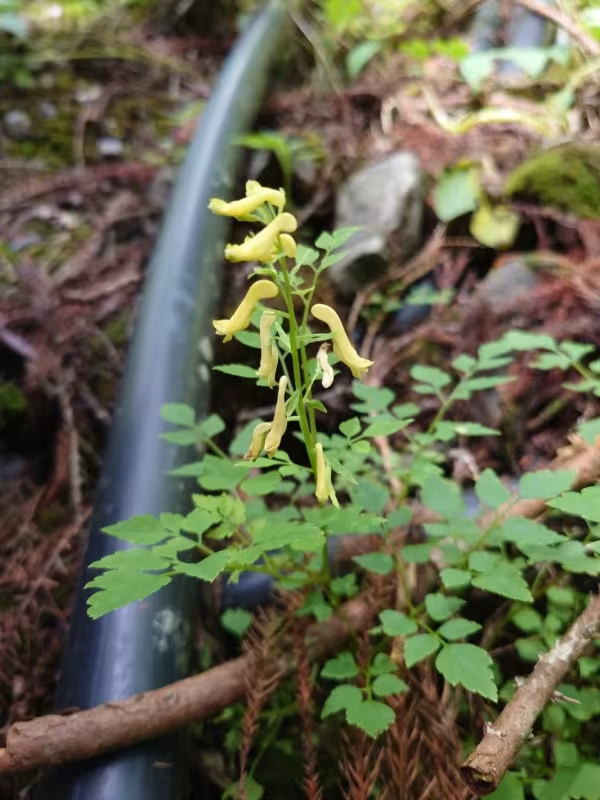
Description
Growing requirements
Pale corydalis (Corydalis pallida) is a member of the Papaveraceae family. Originating from the mountainous regions of East Asia, this herbaceous plant is noted for its delicate foliage and unique yellow-toned flowers that flourish in cool environments.
The crop thrives in well-drained, slightly acidic soils. It is essential to ensure that the planting site has excellent drainage, as the species is highly susceptible to root decay when exposed to waterlogged soil conditions for extended periods.
Regarding climate, the plant prefers cool, temperate conditions. While it is hardy and capable of surviving cold winters, it performs best in semi-shaded areas where it is protected from intense, direct summer sun that can scorch the leaves.
Agronomic management requires consistent, moderate moisture during the spring vegetative phase. Supplementing the soil with organic matter improves nutrient availability and helps maintain the loose structure required for vigorous root development.
In terms of economic value, Corydalis pallida is gaining interest due to its specific secondary metabolites. It is used in specialized horticultural applications and studied for potential pharmaceutical utility in traditional medicine systems.
Main diseases and pests
The primary diseases affecting this crop are fungal infections, particularly powdery mildew and root rot. These thrive in humid environments with poor air circulation, necessitating a careful balance of humidity levels.
Common pests include slugs and snails, which can devastate young seedlings overnight. Integrated pest management strategies, such as physical barriers or approved moluscicides, are recommended to protect the crop.
Aphid infestations are also a recurring issue that requires vigilance. These pests sap the vitality from the developing shoots, and if left uncontrolled, can significantly diminish the quality of the harvested medicinal material.
Good field hygiene is essential to prevent the buildup of pathogens in the soil. Crop rotation remains one of the most effective tools to reduce the prevalence of soil-borne diseases in Corydalis pallida production.
Monitoring for signs of pest damage should be a regular part of the farm schedule. Early identification allows for targeted interventions that are both cost-effective and environmentally responsible.