
Corydalis paczoskii
Corydalis paczoskii
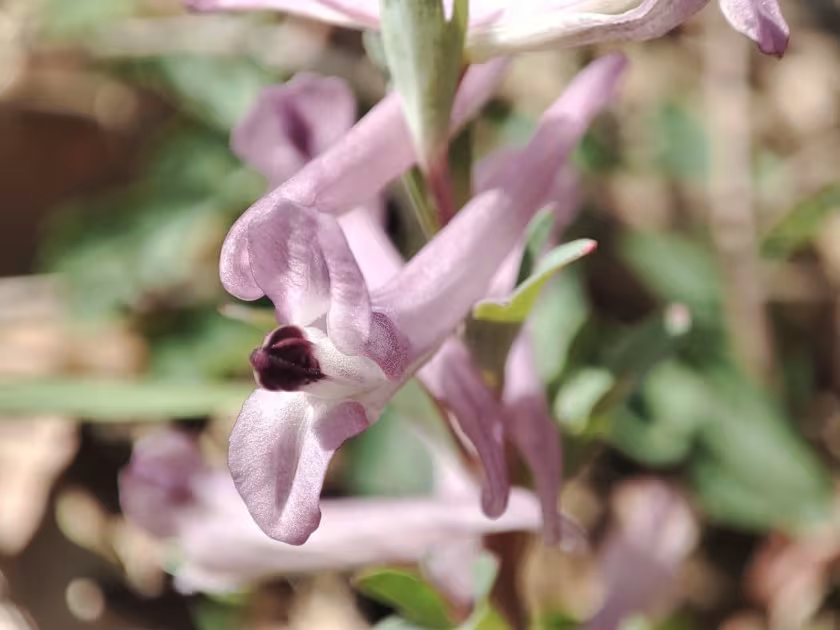
Description
Growing requirements
Corydalis paczoskii is a perennial herbaceous plant belonging to the Papaveraceae family. Unlike commercial agricultural crops, this species is not cultivated for production due to its status as a rare and protected botanical element within its native habitat.
Botanically, it is an ephemeral plant that relies on nutrients stored in underground tubers. It typically reaches a height of 15 to 30 cm, featuring complex, glaucous-colored leaves and distinctive pink to purple flowers arranged in terminal racemes, which are well-adapted to early spring pollination.
The native range of the species is primarily located in the steppe and forest-steppe zones of Eastern Europe. It thrives in well-drained, nutrient-rich soils that maintain moisture during the spring but experience a dry summer dormancy period, which is crucial for the survival of the tubers.
Environmental requirements are strict, emphasizing the need for open, sunny locations and soils free from heavy compaction. The species is highly sensitive to changes in soil structure, which is why it is often found in undisturbed natural landscapes rather than cultivated fields.
The economic value of this plant is restricted to academic research, biodiversity conservation, and ornamental collection in specialized botanical settings. It is legally protected in several regions, strictly prohibiting any form of commercial extraction or unauthorized cultivation.
Main diseases and pests
The primary threats to the survival of Corydalis paczoskii are fungal diseases that emerge under conditions of excess soil moisture. These pathogens frequently target the tuberous root systems during the dormant phase, causing total plant mortality in affected populations.
Regarding pests, various soil-dwelling insects and specialized aphids pose risks to the plant's vegetative organs. Additionally, small rodents often forage on the tubers in early spring, which can lead to significant localized population declines in vulnerable habitats.
Human activities, such as land plowing, overgrazing, and habitat destruction, remain the most significant anthropogenic threats. Any disruption of the topsoil layer directly impacts the subterranean cycle of the plant, preventing successful regeneration for several subsequent growing seasons.
Interspecific competition with invasive or more vigorous plant species represents a major challenge for this slow-growing ephemeroid. As habitats become disturbed, the natural balance shifts, often favoring aggressive weeds that shade out the native Corydalis populations.
Management strategies involve rigorous habitat protection and monitoring of existing populations. Professional agronomists focus on mitigating external environmental impacts to ensure the species' continued existence, rather than applying traditional farming techniques used for agricultural commodities.