
Corydalis ophiocarpa
Corydalis ophiocarpa
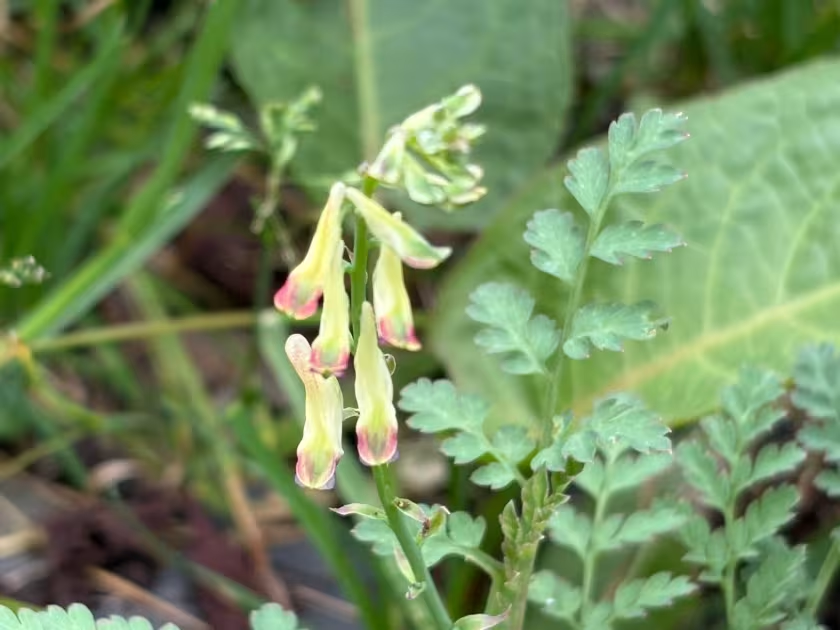
Description
Sowing dates
Sowing seeds of Corydalis ophiocarpa should ideally occur in late autumn to facilitate natural stratification. This cold-weather treatment is essential to break seed dormancy and ensure successful germination once spring temperatures arrive.
When using a greenhouse or indoor trays, sow the seeds in a moist, sterile seed-starting mix. Keep the containers in a cold environment, such as a cold frame or refrigerator, for several weeks to mimic natural winter conditions.
In outdoor settings, surface-sow the seeds on a prepared, weed-free bed. Covering the seeds with a thin layer of fine grit or coarse sand helps maintain moisture while preventing them from washing away during heavy rain.
Seedlings typically emerge as the soil warms up in early spring. They require gentle handling and protection from extreme temperature fluctuations until they have developed their first true set of leaves.
Vegetative propagation is an alternative for experienced gardeners, involving the division of rhizomes during the dormant season. This method produces clones that are genetically identical to the parent and often reach maturity faster than seedlings.
Growing requirements
Corydalis ophiocarpa thrives best in partial shade to dappled sunlight conditions. It naturally prefers woodland margins or mountain slopes, making it a perfect addition to shady borders or rock gardens that stay cool throughout the day.
Well-draining, humus-rich soil is paramount for this species. It does not tolerate "wet feet," so amending heavy soils with organic matter like leaf mold or fine bark is highly recommended to improve aeration and drainage capacity.
The plant performs best in a slightly acidic to neutral pH environment. Regular additions of compost or well-rotted manure during the spring provide sufficient nutrients to support robust growth and profuse flowering without the need for synthetic fertilizers.
Watering should be consistent, especially during the active growing season. However, once the plant enters its summer dormancy, watering should be significantly reduced to prevent root rot in the resting rhizomes.
Winter hardiness is excellent in temperate climates, though mulching the soil surface with organic matter is beneficial for protection in harsher zones. Proper site selection in a naturally sheltered spot will ensure long-term vitality.
Main diseases and pests
Slugs and snails are the most significant pests for Corydalis ophiocarpa, often targeting young shoots in spring. Implementing physical barriers like copper tape or crushed eggshells around the perimeter can discourage these pests.
Root rot is a major threat if drainage is inadequate. Always ensure the planting site is slightly elevated or incorporates aggregate to prevent water accumulation near the base of the rhizomes during wetter months.
Fungal issues such as powdery mildew can occur during periods of high humidity and poor air circulation. Spacing plants adequately and avoiding overhead watering helps to keep foliage dry and healthy.
Aphids might occasionally colonize flower spikes. If infestation levels are low, manual removal or spraying with a mild horticultural soap solution is usually sufficient to manage the situation without damaging the plant.
Maintaining a clean garden bed by removing decaying plant debris helps prevent the buildup of pathogens. Proactive monitoring ensures that early signs of stress are addressed before they compromise the health of the entire cluster.