
Corydalis nobilis
Corydalis nobilis
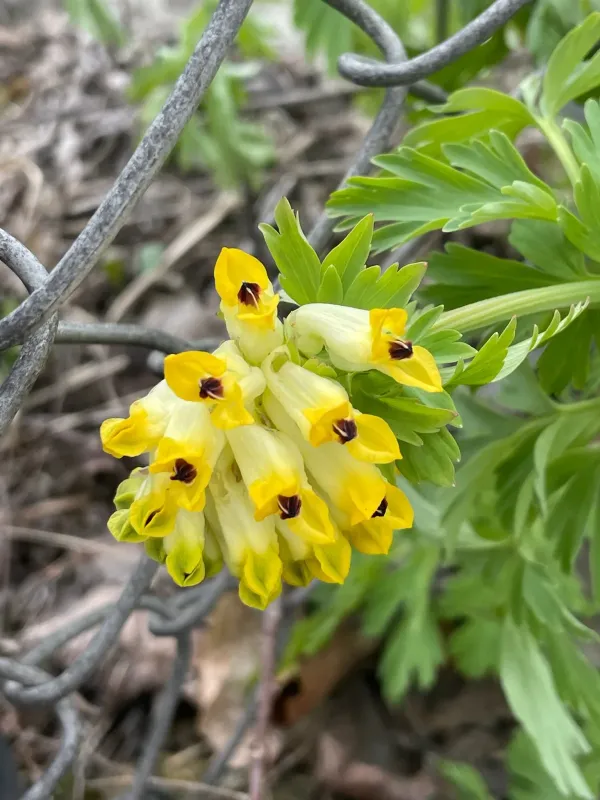
Description
Sowing dates
Propagation of Corydalis nobilis is most often carried out by seeds or division of the rhizome. Seeds should be sown in open ground immediately after they are collected in late spring or early summer, as they quickly lose viability when stored.
When sowing, seeds are buried in the soil 1-2 centimeters deep, ensuring moderate substrate moisture. Shoots appear the following season after stratification, so it is important to mark the planting site to avoid damaging the seedlings during spring work.
Dividing the clump is the most effective method for propagating cultivars, which should be done during the dormancy period after the above-ground part of the plant has completely withered. Divisions should have healthy fragments of the tuberous rhizome and several renewal buds for quick rooting.
For vegetative propagation, the planting material is set at a depth of 5-7 centimeters with an interval of about 20-30 centimeters between plants. This allows for the formation of dense, decorative groups that will bloom as early as the following year.
Corydalis nobilis belongs to the Papaveraceae family and is an ephemeral plant, so it is important to consider the short vegetation period when planning crops. By the end of June, the above-ground part dies off completely, leaving the plant dormant until the next spring.
Growing requirements
For successful cultivation, it is necessary to select areas with light, fertile soil that has excellent permeability. The plant reacts extremely negatively to water stagnation, which can lead to the rotting of the root system.
The culture prefers semi-shaded areas of the garden, protected from direct midday sunlight. In natural conditions, its range covers the mountain regions of Siberia, so the plant is well-adapted to moderate climates and temperature fluctuations.
Soil acidity should be neutral or slightly alkaline. If the soil in the area is heavy or clayey, it is recommended to add sand, leaf compost, and fine gravel to improve the drainage properties of the substrate.
An important aspect is ensuring sufficient nutrition during the period of active growth. In early spring, as soon as the first leaves appear, the application of complex mineral fertilizers is recommended to stimulate flower bud formation.
The plant is highly winter-hardy and does not require special shelter during winter, even in regions with severe climatic conditions. The main requirement is to avoid excessive soil moisture during thaw periods.
Main diseases and pests
The main enemy of the crop under improper agricultural maintenance is root rot, caused by waterlogged soil. If fungal diseases occur, it is necessary to remove damaged parts of the rhizome and treat the soil with fungicides.
Pests, such as caterpillars of certain noctuid moths, can damage leaves and flower stalks during the active growth phase. Regular inspection of plants in the spring allows for the timely detection and elimination of the problem manually or through the use of insecticides.
Slugs and snails can cause damage to young shoots in wet weather. To protect plantings around the clumps, it is recommended to scatter abrasive mulch materials or use traps.
Viral diseases are rare but can manifest as mosaic leaf coloring or stem deformation. Affected specimens should be immediately removed from the area to prevent the spread of infection to healthy plants.
Following crop rotation and avoiding overcrowded plantings are the best preventive methods. Good aeration of the site helps reduce the risk of pathogen development and ensures the healthy development of the root system.