
Small-flowered fumewort
Corydalis micrantha
Description
Growing requirements
Small-flowered fumewort (Corydalis micrantha) is a herbaceous plant belonging to the Poppy family (Papaveraceae). It is primarily known for its delicate structure and specific ecological preferences in its native habitats.
The species is native to North America, flourishing in open, sandy, or rocky soil conditions. It is typically found in environments that provide high levels of drainage and moderate exposure to sunlight during the spring growing season.
Ideal soil requirements include light, well-drained loams or sandy substrates with a neutral to slightly acidic pH level. Overly compacted soils can impede the development of the root system and should be improved prior to planting.
Agricultural management requires careful handling due to the plant's sensitivity to deep soil disturbances. Its life cycle often depends on seasonal moisture levels, which trigger active growth and subsequent seed dispersal in late spring.
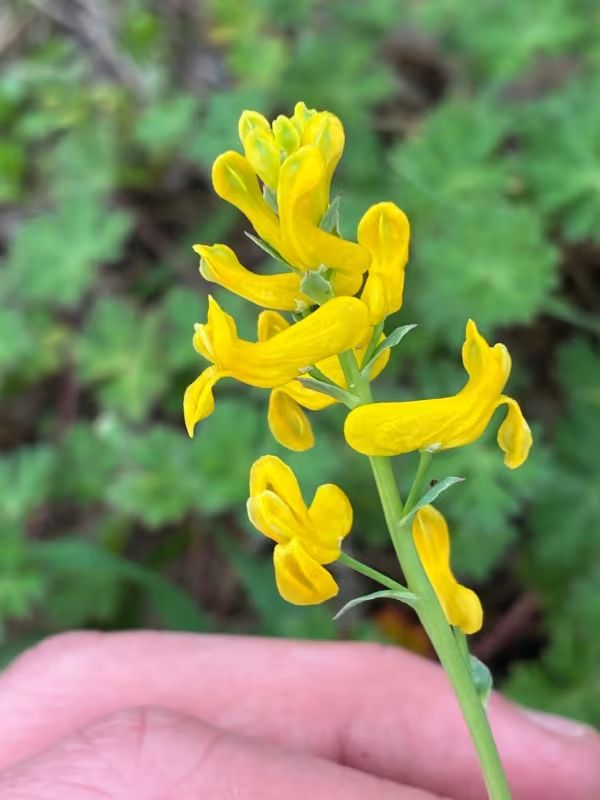
Botanically, the plant features finely divided, glaucous leaves and small, yellow flowers arranged in terminal racemes. Its reproductive strategy relies heavily on the production of a large number of seeds, facilitating natural colonization of suitable habitats.
Main diseases and pests
Fungal pathogens such as powdery mildew represent a significant threat to Corydalis micrantha, particularly when humidity levels remain high or airflow is restricted within the planting area.
Pests including aphids and spider mites can infest the foliage and floral structures. These insects are particularly problematic during dry spells, which may weaken the plant's natural defense mechanisms.
Effective management includes maintaining proper spacing between plants to ensure adequate ventilation. This practice significantly reduces the risk of moisture-related disease development during the damp spring months.
When infestation occurs, integrated pest management (IPM) strategies should be implemented. This includes the use of selective, mild soaps or biological control agents to mitigate pest impact without harming the plant.
Regular sanitation of the cultivation site, including the removal of dead plant material, is essential for reducing the carry-over of pathogens into the next growing cycle.