
Corydalis maracandica
Corydalis maracandica
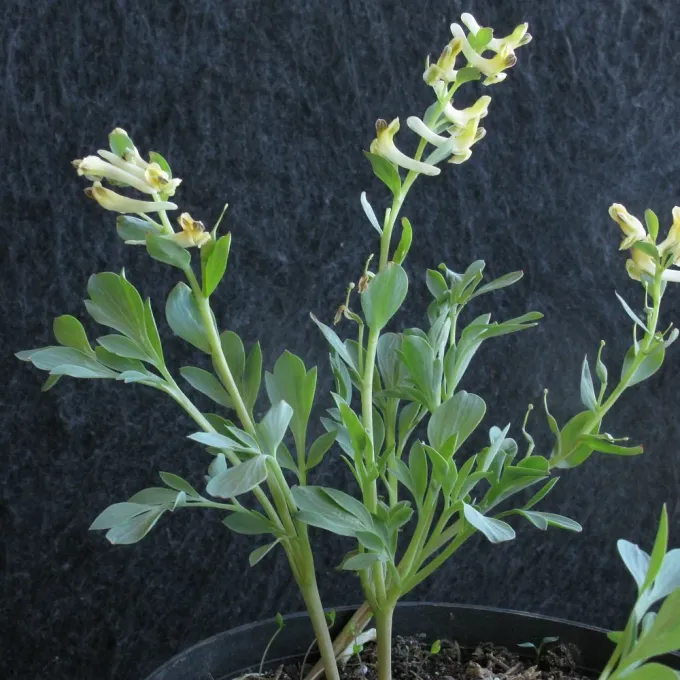
Description
Sowing dates
Corydalis maracandica is a typical ephemeral species, meaning its active growth cycle is concentrated in the early spring period when soil moisture is at its peak.
Propagation primarily occurs via seeds, which require a cold stratification process to overcome dormancy and ensure successful germination in the spring.
Seeds should be sown at a shallow depth, usually around 2–3 cm, to allow the delicate seedlings to emerge without exhausting their limited energy reserves.
Late autumn is the optimal time for outdoor sowing, as it allows seeds to naturally cycle through winter temperatures, mirroring their native environment.
The rate of germination is strictly tied to soil temperature; a steady warming phase is necessary to trigger the emergence of the first vegetative shoots.
Growing requirements
As a member of the Papaveraceae family, this plant is specifically adapted to the harsh, continental climate found in the mountainous regions of Central Asia.
Excellent soil drainage is the most critical requirement; the tubers are highly susceptible to rot if allowed to sit in damp or waterlogged soil conditions.
The plant thrives in well-aerated, rocky, or sandy loam soils that mimic the scree slopes and mountainous terrain where it naturally occurs.
Corydalis maracandica requires full exposure to spring sunlight to complete its rapid development before the onset of the hot, dry summer dormancy period.
Once the foliage begins to yellow after the flowering stage, the plants enter a mandatory dormancy period, during which the soil must be kept dry.
Main diseases and pests
Soil-borne pathogens, particularly fungal rot, pose a major threat to the tubers, especially when agricultural practices fail to provide adequate drainage.
Slugs and snails are the most common pests, as they are attracted to the succulent foliage of the plant during the early spring growing season.
Viral infections can affect the health of the plant, often causing leaf deformation and preventing the formation of robust tubers for the following season.
The presence of invasive weeds can severely restrict the plant's growth, as it must compete for limited spring resources such as sunlight and nutrients.
Proper sanitation of the growing area and avoiding over-fertilization are essential strategies to maintain the health and longevity of the plant population.