
Corydalis linstowiana
Corydalis linstowiana
Description
Sowing dates
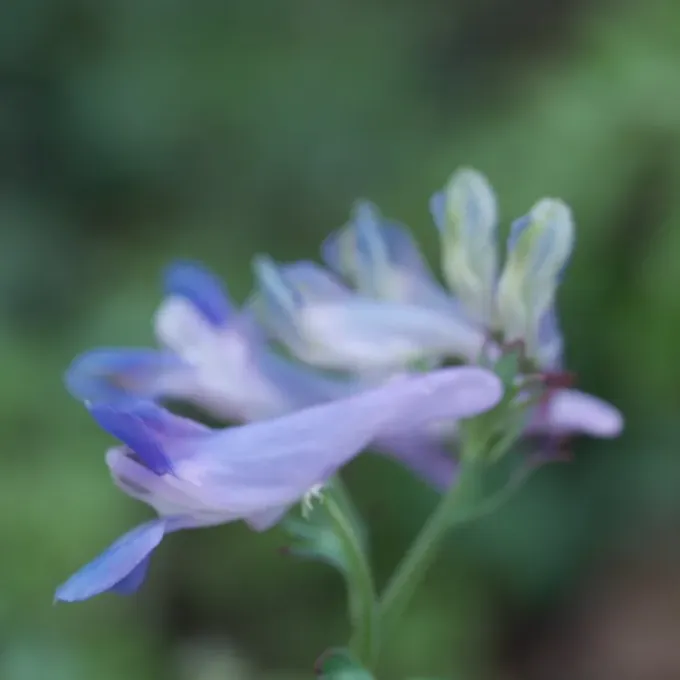
Corydalis linstowiana is a perennial herbaceous plant belonging to the Papaveraceae family. It is primarily valued in botanical and horticultural circles for its unique tuberous structure and early spring flowering cycle, which allows it to thrive in specific environmental niches.
Propagation of this culture is typically achieved through seed germination, which necessitates a cold stratification period of several weeks to break dormancy. Sowing is generally conducted in late autumn to allow for natural exposure to winter temperatures.
Vegetative propagation via tuber division is another common practice, particularly for maintaining clonal consistency. This process is undertaken during the summer dormancy phase when the foliage has completely withered and the plant enters a period of metabolic rest.
When sowing seeds, it is crucial to use a light, well-draining substrate to prevent premature rotting. Seeds should be buried at a shallow depth to ensure sufficient contact with moist soil while remaining accessible for emerging sprouts.
Proper spacing is vital for the development of healthy, dense clusters. Planting the tubers or seedlings at a distance of approximately 15–20 cm allows for adequate air circulation and competition against spontaneous vegetation.
Growing requirements
Corydalis linstowiana requires a semi-shaded environment that mimics its natural forest habitat. Exposure to direct sunlight, particularly in arid climates, can lead to physiological stress and premature yellowing of the leaf structures.
The ideal soil profile consists of loose, humus-rich earth with a neutral to slightly acidic pH. Incorporating organic matter such as leaf mold or well-rotted compost into the soil enhances moisture retention while maintaining necessary drainage.
This species is highly resilient to cold and is well-adapted to regions with distinct seasonality. However, maintaining a consistent moisture level throughout the growing season is essential for the healthy development of the tubers.
Waterlogging is a critical limiting factor for this species, often leading to rapid decay of the underground parts. Installing a gravel-based drainage layer or selecting sloping terrain can effectively mitigate these risks during rainy periods.
Minimal fertilization is required, as the plant is well-adapted to nutrient-poor soils. Applying a balanced, low-nitrogen organic fertilizer during the early stages of spring growth supports the plant’s energy needs without encouraging excessive leaf growth.
Main diseases and pests
The primary threats to Corydalis linstowiana include fungal infections, such as root and tuber rot, which proliferate under damp and stagnant conditions. Implementing stringent water management and ensuring soil aeration are the most effective preventive measures.
Pests such as slugs and snails pose a constant risk during the early spring when tender shoots begin to emerge. Protective barriers or organic baiting strategies are recommended to prevent significant damage to the plant's aerial organs.
Soil-dwelling larvae can also inflict damage on the tubers, leading to secondary infections. Regular monitoring of the soil condition and rotation of planting areas help to manage pest populations effectively.
Viral infections, which cause leaf distortion and color variegation, may occur if the area is heavily populated by sap-sucking insects. Controlling vector insects and discarding any symptomatic plants are necessary to maintain healthy clusters.
Maintaining proper hygiene by clearing away decaying organic debris around the plants helps to reduce the habitat for many potential pathogens and pests, thereby ensuring the long-term vitality of the culture.