
Corydalis lineariloba
Corydalis lineariloba
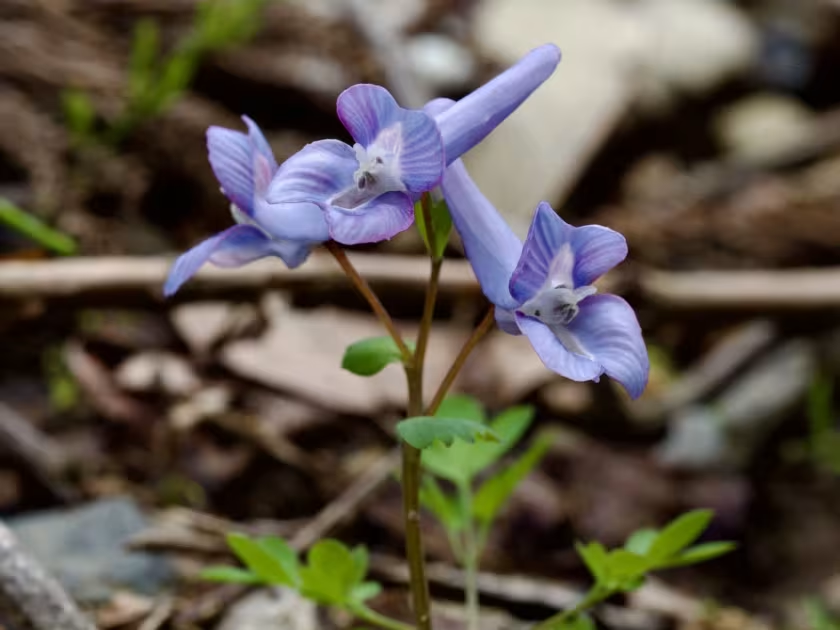
Description
Sowing dates
Corydalis lineariloba belongs to the spring ephemeral group, meaning its life cycle begins very early, right after the snow melts. Seeds are typically sown before winter in open ground to undergo natural stratification, which is essential for successful germination.
Sowing is performed in loose soil rich in organic matter, mimicking forest litter. The sowing depth should not exceed 1–2 centimeters to ensure that the delicate sprouts can reach the surface in spring.
For vegetative propagation, tubers are planted during the dormancy period, which occurs after the aerial parts have withered. The second half of summer is the optimal time for this, when the plant has finished its vegetation cycle.
It is important to note that the culture is extremely sensitive to desiccation of the planting material. Seeds have a short shelf life, so using freshly harvested seeds in June or July is the most effective practice.
Young plants develop slowly: in the first years, they only form a small leaf rosette and a tuber, starting active flowering only in the third or fourth year of life.
Growing requirements
The plant is a characteristic representative of broad-leaved forests, which determines its high requirements for soil moisture. It prefers partially shaded areas where the soil does not overheat during the summer period.
The crop is demanding regarding soil texture: it must be light, loamy, or sandy, and well-aerated. Excessive compaction leads to tuber rot, especially during spring thaw periods.
The optimal pH level is in the slightly acidic or neutral range. Enriching the soil with leaf mold is a mandatory condition for maintaining high vigor and the biological activity of the culture.
The species has high frost resistance, typical for the Ussuri taiga flora, and does not require special winter protection. The main factor for success is excellent drainage, which prevents water stagnation around the root system.
During the summer period, when the aerial part dies off, the soil must remain moderately moist but not waterlogged. Excessive drying during the dormant phase can lead to tuber depletion and plant death.
Main diseases and pests
Fungal diseases are the primary threat to Corydalis lineariloba, typically developing due to water stagnation in the soil. Various types of root rot are the most common issues affecting the tubers in early spring.
Among pests, rodents can cause significant damage by feeding on the juicy tubers during the winter months. Protective mesh barriers or specific agricultural deterrents are used to safeguard the plantings.
Aphid infestations are possible during the active growth phase, particularly in dry springs. It is recommended to use biological insecticides or water sprays to manage pest populations when necessary.
To prevent viral infections, which often manifest as leaf spotting, it is crucial to use only healthy planting material. Affected specimens should be removed immediately from the plot to prevent disease spread.
Slugs can damage young sprouts immediately after they emerge from the ground. Applying mulch made of coarse materials or using traps helps to minimize the damage caused by these mollusks.