
Corydalis leptocarpa
Corydalis leptocarpa
Description
Growing requirements
Corydalis leptocarpa is a perennial herb belonging to the Papaveraceae family. Native to East Asian regions, it typically thrives in humid, shaded environments such as riverbanks and moist forest floors, where it forms delicate clusters of foliage and flowers.
The cultivation of this species requires well-drained, humus-rich soil that remains consistently moist. It is vital to avoid waterlogged conditions, as the root system is susceptible to decay if drainage is inadequate, especially during periods of higher rainfall or over-irrigation.
Climate requirements for this plant focus on moderate temperatures and shade. It is highly intolerant of intense sunlight and heat, which can quickly lead to leaf scorch. Consequently, planting it in a sheltered, cool spot with indirect light is essential for maintaining plant vigor throughout the summer.
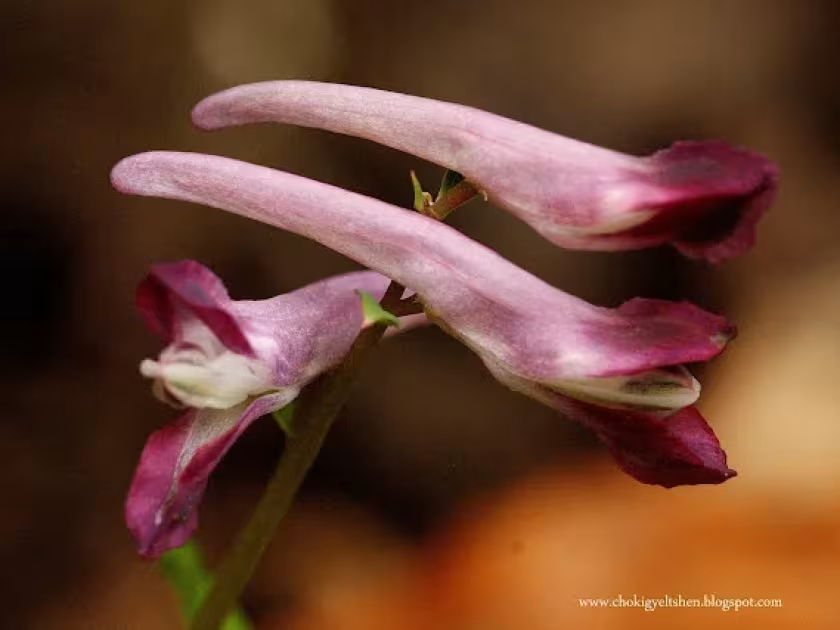
Botanically, it is characterized by its feathery, compound leaves and slender, tubular flowers arranged in racemes. The plant exhibits a slow to moderate spread, creating an elegant ground cover effect that adds a refined, woodland aesthetic to any garden setting.
The primary use of Corydalis leptocarpa is ornamental. It is a prized choice for rock gardens, shaded border designs, and woodland-style landscapes. Its unique appearance makes it a favorite among collectors of rare perennials who seek to diversify their garden palette with plants of distinct Asian origin.
Main diseases and pests
Common diseases affecting this crop include various forms of fungal rot, typically appearing when the plant is kept in overly stagnant air or saturated soil. Ensuring sufficient air circulation around the crown of the plant is critical to preventing fungal outbreaks and maintaining foliage health.
Pests such as slugs and snails are the primary concern for this species, particularly in the damp, cool conditions that the plant prefers. These mollusks can rapidly defoliate the plant, necessitating preventive measures like perimeter baiting or using natural barriers to protect the tender foliage during the active growing season.