
Intermediate corydalis
Corydalis intermedia
Description
Growing requirements
Intermediate corydalis (Corydalis intermedia) is a herbaceous perennial belonging to the poppy family (Papaveraceae). As a classic spring ephemeral, it completes its life cycle very rapidly, utilizing the early spring light before tree canopies fully develop.
The plant thrives in nutrient-rich, humus-heavy soils that offer excellent drainage. It is native to European woodland environments, typically found in shaded areas where the soil remains cool and moist during the growing season.
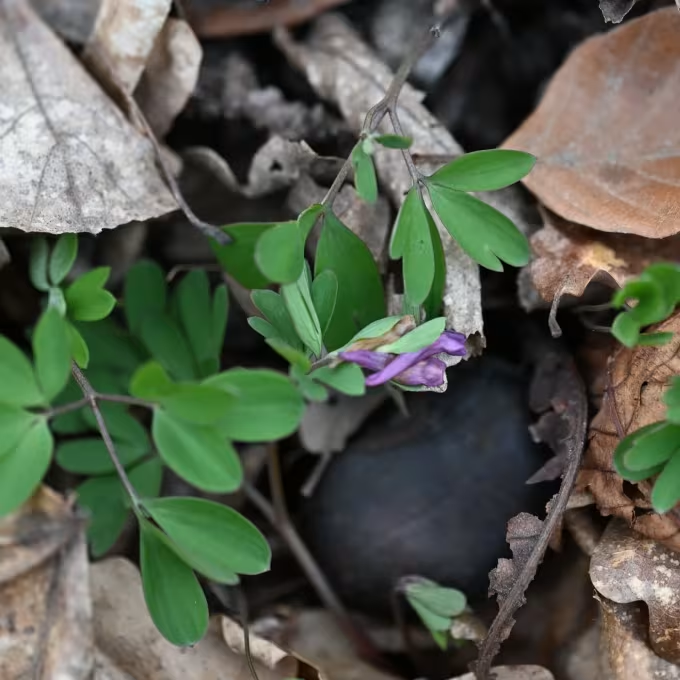
Botanically, it is defined by a solid, tuberous root system that serves as the primary energy storage organ. Its delicate stems reach a height of approximately 15 to 25 cm, supporting finely divided, fern-like leaves and racemes of purple flowers.
Regarding climate, the plant requires a distinct cold dormancy period to break seed and tuber quiescence. It is highly adapted to temperate climates where seasonal changes provide the necessary cues for growth and reproduction.
In agricultural and horticultural practices, intermediate corydalis is cultivated primarily for its ornamental value in woodland gardens. It is appreciated for its ability to naturalize in shaded areas, providing early color when other plants are still dormant.
Main diseases and pests
The most significant threat to intermediate corydalis is the onset of fungal root rot caused by waterlogged soil conditions. Proper soil aeration is critical to prevent the tubers from decaying during the wetter months of early spring.
Pest pressure is primarily driven by gastropods, such as slugs and snails, which feed on the succulent foliage. Monitoring for these pests is essential, especially in moist garden settings where they can cause extensive damage to young shoots.
Additionally, aphids may occasionally colonize the racemes during the peak flowering stage. While usually not fatal, severe infestations can weaken the plant and reduce its aesthetic quality for the season.
Weed management requires careful, manual intervention. Since the tubers are relatively shallow-seated, deep hoeing or tilling can cause irreversible damage to the root system, potentially destroying the colony.
Prevention of disease involves maintaining high standards of garden hygiene and ensuring the planting site is free from contaminated debris. Fungicidal applications are effective only when timed correctly at the onset of active growth.