
Corydalis incisa
Corydalis incisa
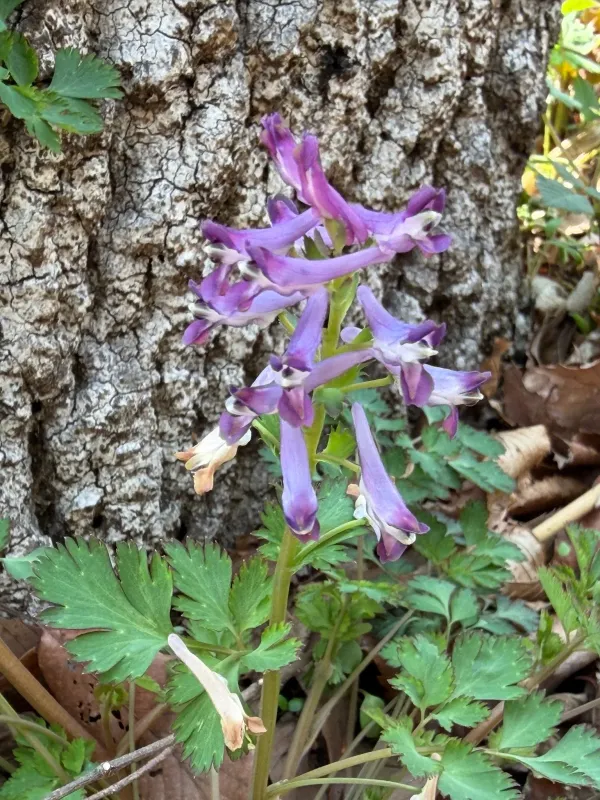
Description
Growing requirements
Corydalis incisa, commonly known as the incised corydalis, is a herbaceous perennial belonging to the Papaveraceae family. Originating from East Asia, including Japan and the Korean Peninsula, it thrives naturally in forest understories and shaded rocky slopes.
The plant is distinguished by its intricate, feathery foliage and vibrant violet flowers. An interesting botanical trait is the explosive dehiscence of its seed pods, allowing the plant to scatter seeds across a wide area upon maturity or touch.
Successful cultivation requires a location that mimics its native habitat, specifically partial to full shade. Exposure to intense afternoon sun often leads to leaf scorch and premature dormancy during the peak of summer.
Soil conditions must be rich in organic matter, consistently moist, yet well-drained. Heavy, compacted, or waterlogged soils are detrimental to the root system and should be avoided or amended with leaf mold and coarse grit.
Agronomic management involves maintaining high humidity levels and applying organic mulch. This helps suppress weeds, keeps the root zone cool, and prevents the topsoil from drying out too quickly during the vegetative growth phase.
Main diseases and pests
The primary biological threat to Corydalis incisa stems from pathogens that thrive in high-humidity environments. Root rot and damping-off can occur if the substrate lacks proper aeration or if irrigation is excessive.
Slugs and snails are the most frequent pests, particularly in spring when the foliage is soft and succulent. Integrated pest management strategies, such as setting up physical barriers, are recommended to protect the plants.
Aphids occasionally colonize the flower stalks, leading to stunted growth. If identified, manual removal or the application of insecticidal soaps is generally sufficient to mitigate the damage without harming the plant's delicate tissues.
Fungal diseases like powdery mildew may appear during periods of poor air circulation and high temperature fluctuations. Pruning and ensuring proper spacing between plants are essential cultural practices to mitigate these outbreaks.
In cases of infestation by soil-borne larvae, cultural controls such as regular site inspection and avoiding the use of contaminated compost are vital for maintaining a healthy and robust plant population.