
Corydalis hybrids
Corydalis hybrids
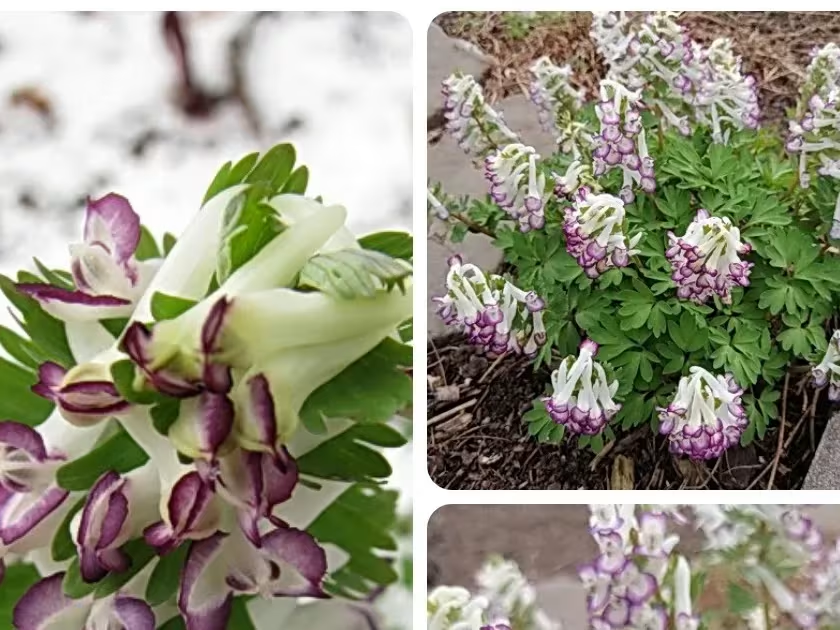
Description
Sowing dates
Propagation of Corydalis hybrids is most effectively achieved through vegetative means, specifically by dividing tubers or rhizomes. The optimal time for this work is during the plant's dormant period, typically late summer or early autumn, as the foliage begins to fade.
Seed propagation requires a period of cold stratification. Sowing is best performed in late autumn, either directly into open ground or into containers kept in cool, unheated areas. Seedlings emerge in spring, though they typically require two to three years to reach their first flowering stage.
When planting, tubers should be set at a depth of 5–10 centimeters, maintaining a spacing of 20–30 centimeters between plants. This distance allows for adequate root development and air circulation, preventing overcrowded clumps in subsequent seasons.
The plant exhibits high growth vigor, allowing it to establish itself quickly in suitable conditions. Careful site selection is essential, ensuring the location provides sufficient moisture during the critical early spring growth phase.
Adhering to planting schedules is vital for success. Disturbing the plants during their active growth or flowering phase can cause significant stress or even plant failure, so all horticultural interventions must be strictly limited to the dormancy phase.
Growing requirements
Corydalis hybrids belong to the Papaveraceae family and are perennial herbaceous plants characterized by tuberous roots. They thrive in partial shade and require loose, fertile, and well-draining soil to perform at their best.
The species is well-adapted to temperate climates and demonstrates strong winter hardiness. While they can endure late spring frosts, they are sensitive to waterlogged soil, which can cause tuber rot if not managed properly during the spring thawing period.
Soil pH should ideally be neutral or slightly alkaline. Incorporating compost or well-rotted organic matter is highly beneficial, as the plant's rapid growth cycle demands an easily accessible supply of nutrients in the soil profile.
During the active vegetation period, regular irrigation is necessary, particularly in dry spring seasons. Once the plant completes its flowering cycle and the foliage dies back, irrigation should be curtailed as the plant enters its summer dormancy.
These plants are excellent for garden design, rock gardens, and naturalized woodland areas. Their delicate, fern-like foliage provides a perfect aesthetic complement to other early spring ephemerals, creating a layered and rich landscape appearance.
Main diseases and pests
Fungal infections, particularly powdery mildew and various types of rots, represent the primary threats to Corydalis hybrids, usually occurring in conditions with high moisture levels and poor airflow.
To mitigate the risk of disease spread, maintaining proper plant spacing is essential. Preventive applications of fungicides at the start of the vegetative season can significantly decrease the incidence of pathogen development.
Pest management focuses primarily on rodent control, as mice and other small animals may feed on the tubers during the winter months. Additionally, aphids and thrips can occasionally affect the plants during periods of hot, dry weather.
Slugs are known to feed on young, succulent shoots during the early spring. The use of organic mulches or physical barriers can help protect the developing foliage from these common garden pests.
If signs of disease or pest infestation occur, prompt removal of affected plant parts is recommended, followed by the application of systemic insecticides or fungicides appropriate for ornamental plants, following all labeling guidelines.