
Corydalis govaniana
Corydalis govaniana
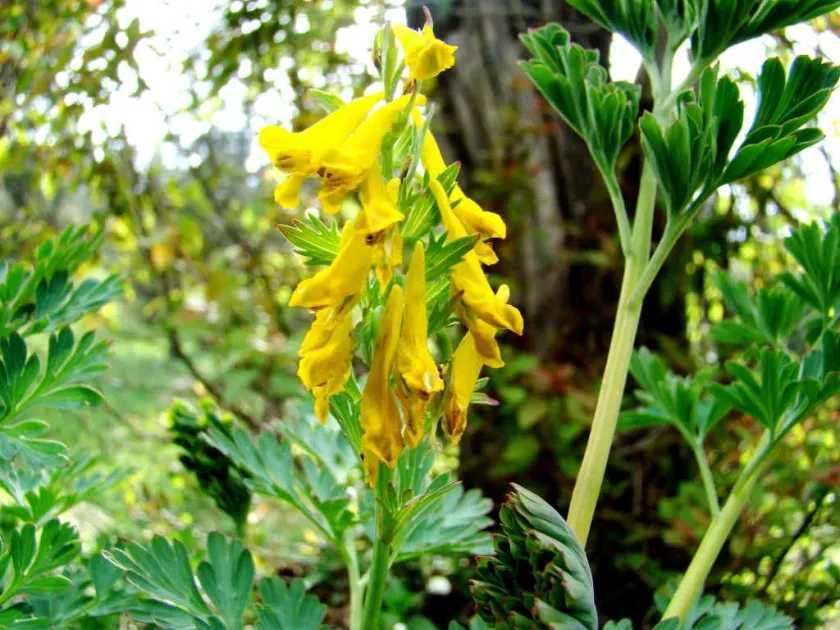
Description
Sowing dates
Seeds of Corydalis govaniana require a period of cold stratification, making late autumn the optimal time for sowing in outdoor beds.
The seeds should be sown shallowly into a gritty, well-draining substrate to replicate the natural alpine growing conditions.
Successful germination typically occurs in early spring, as the soil warms up following the winter chill.
It is important to avoid deep burial of seeds, as they require minor light exposure to stimulate the germination process.
Keeping the seed trays in a cool, shaded environment prevents premature drying before the seedlings emerge.
Growing requirements
Corydalis govaniana belongs to the Papaveraceae family and is native to the high-altitude regions of the Himalayas.
This species demands loose, humus-rich, and slightly acidic soils that ensure excellent moisture drainage throughout the growing season.
Cool temperatures are essential for the plant to thrive; it does not tolerate intense heat or prolonged drought conditions.
Partial shade is required for successful growth, as direct exposure to scorching sunlight often causes stress and dormancy.
Regular but moderate watering is necessary during the active growth phase, ensuring the substrate remains damp but never waterlogged.
Yield
While primarily grown for medicinal and ornamental purposes, the biomass yield of Corydalis govaniana is relatively low per square meter.
Harvesting is usually done on a small scale, focusing on the collection of roots and foliage for traditional medicinal use.
In managed botanical environments, sustainable harvesting techniques are applied to ensure the long-term survival of the plant population.
Productivity is limited by the slow growth rate typical of high-altitude alpine species adapted to short growing seasons.
The yield of active chemical compounds depends heavily on the altitudinal growing conditions and the age of the harvested plants.
Main diseases and pests
Root rot is the most common threat to Corydalis govaniana, often induced by poor soil aeration and water stagnation during the summer.
Garden pests such as slugs and snails represent a major concern, as they frequently target the tender young foliage of the plant.
Fungal diseases like powdery mildew may affect the plants if they are kept in conditions with poor air circulation.
Soil-borne insects can occasionally cause physical damage to the root system, weakening the plant's overall resistance to pathogens.
Implementing a gravel mulch layer can significantly help by improving drainage around the root neck and deterring mollusk pests.
Harvesting
The harvest of medicinal materials, specifically the rhizomes, is typically carried out when the plant enters its natural dormancy phase.
Care must be taken to remove only a portion of the root system if the intention is to maintain the perennial clump for future years.
Freshly harvested plant parts should be cleaned of soil debris immediately to prevent contamination and potential decomposition.
Drying of the harvested material must occur in a cool, ventilated place to preserve the delicate alkaloids found within the plant tissue.
Appropriate timing is crucial; harvesting before the plant completes its full vegetative cycle can reduce the quality of the raw material.