
Corydalis gortschakovii
Corydalis gortschakovii
Description
Growing requirements
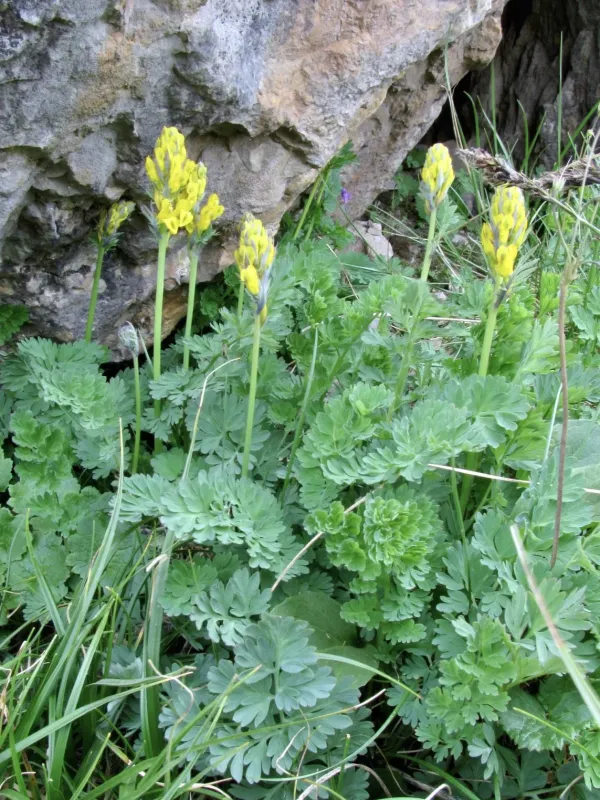
Corydalis gortschakovii is a perennial herbaceous plant belonging to the poppy family (Papaveraceae). This species is native to the mountainous regions of Central Asia, specifically thriving in the high-altitude rocky slopes of the Tien Shan and Pamir-Alay ranges.
The plant is biologically characterized by a tuberous root system, which allows it to survive harsh mountain winters and survive during periods of drought. Its foliage is typically glaucous, providing a unique aesthetic, while the tubular flowers bloom in vibrant shades of pink and purple.
For successful cultivation, the plant requires excellent drainage and a substrate mimicking alpine soil conditions. Heavy, water-retentive soils often lead to tuber rot, making it essential to incorporate coarse gravel or sand into the planting site to ensure proper moisture management.
As a spring ephemeral, Corydalis gortschakovii completes its active growth phase quickly. After the flowering period, which usually occurs in late spring, the foliage withers and dies back, marking the entry into a dormant phase that lasts throughout the summer and autumn.
The primary use of this species is ornamental, often utilized in rock gardens or specialized alpine collections. Its high cold hardiness and striking floral display make it a sought-after subject for enthusiasts of rare mountain flora who can provide the necessary environmental conditions.