
Corydalis gigantea
Corydalis gigantea
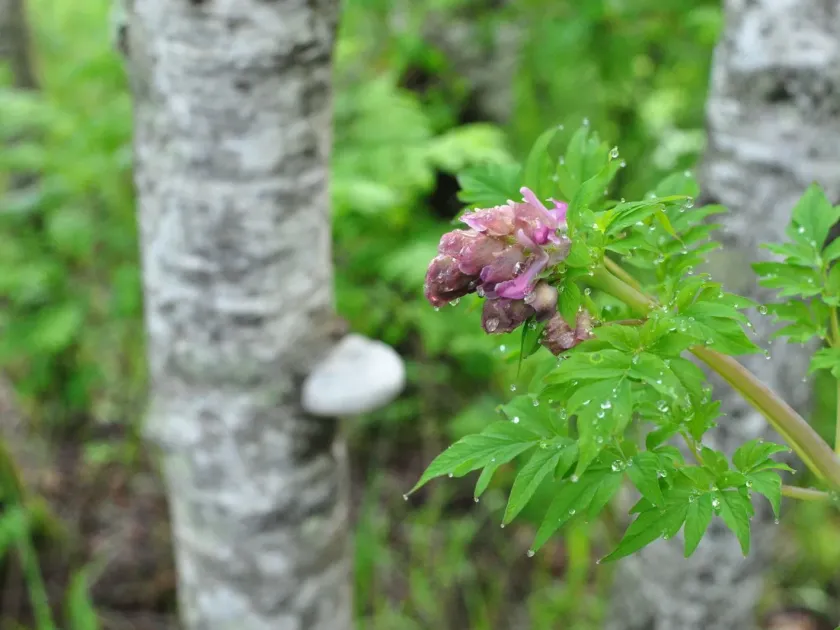
Description
Sowing dates
Corydalis gigantea belongs to the Papaveraceae family. It is a perennial herbaceous plant that reproduces primarily through seeds in its natural environment.
Sowing seeds in cultivation is recommended during the autumn season, as the seeds require a long period of natural stratification at low temperatures to germinate successfully.
If sown in spring, germination rates drop significantly due to deep dormancy, so artificial stratification in refrigerators at temperatures between 0 and +4 degrees Celsius for 2–3 months is required.
The sowing depth should be minimal, not exceeding 0.5–1 cm, as the seeds are small and sensitive to substrate density.
The optimal planting pattern involves spacing rows 30–40 cm apart to provide the plants with sufficient room for the development of a robust root system over subsequent years.
Growing requirements
This species is native to the Russian Far East and prefers moist, shaded habitats that mimic forest edges or river valleys.
Soil requirements include high humus content, good aeration, and moisture retention, with proper drainage being essential to prevent root waterlogging.
Corydalis gigantea reacts negatively to direct sunlight, especially during peak afternoon hours, so agronomic practices must focus on selecting sites with partial shade or filtered light.
The plant exhibits high cold hardiness, capable of surviving harsh winters characteristic of its native habitat without additional protection.
During the active growth season, maintaining a stable soil moisture level is crucial, as the plant cannot tolerate critical drying of the root zone.
Yield
The economic use of Corydalis gigantea is currently limited to specialized horticultural breeding and pharmaceutical research, as it is a rare and protected species.
Biomass for medicinal purposes is harvested exclusively from designated plots under strict ecological and regulatory controls.
The yield of green biomass depends directly on soil fertility and irrigation management, with peak production occurring in the third or fourth year of growth.
The plant is valued for its unique chemical profile, containing specific alkaloids that are essential for the production of certain pharmaceutical drugs.
To ensure plantation longevity, it is necessary to avoid over-harvesting the aerial parts, leaving enough shoots for the plant to regenerate in the following season.
Main diseases and pests
Fungal diseases are the primary threat to the crop, often exacerbated by excessive moisture and poor air circulation in the planting area.
Pests such as slugs and snails can cause significant damage to young sprouts early in the growing season, necessitating regular monitoring and integrated pest management.
Root rot is the most dangerous pathogen, commonly triggered by improper watering regimes and the use of heavy, poorly aerated soils.
Disease prevention involves maintaining sufficient plant spacing, timely weeding, and the application of fungicides when early signs of infection appear.
In greenhouse conditions, controlling air humidity is essential, as stagnant air promotes the development of powdery mildew on the foliage.
Harvesting
Harvesting of medicinal raw material or seed collection occurs during the active maturation phase, when the aerial part begins to lose turgor.
Seeds should be harvested selectively as they brown, because they are prone to shattering immediately upon full maturity of the pod-like fruits.
After collection, seed material must be cleaned of debris and dried in a dark, well-ventilated room to prevent mold development.
If the root mass is harvested, it should be carefully lifted from the soil to maintain the integrity of the vegetative renewal buds.
After harvesting, it is advisable to mulch the soil with organic matter to preserve moisture and protect the dormant buds from potential damage.