
Pale corydalis
Corydalis flavula
Description
Growing requirements
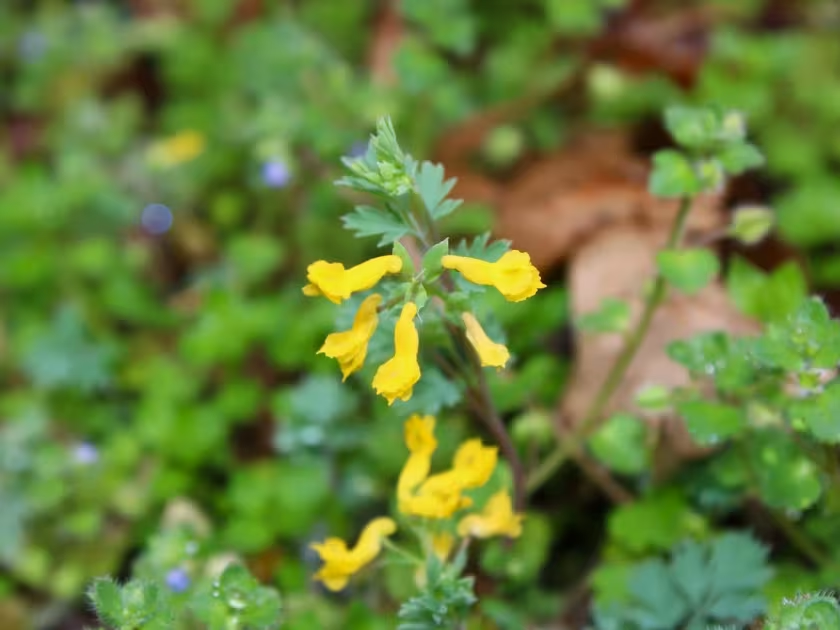
Pale corydalis (Corydalis flavula) is an herbaceous annual plant belonging to the Fumariaceae family. As an ephemeral species, it completes its life cycle during the early spring months, capitalizing on the temporary availability of sunlight and moisture under deciduous forest canopies.
The native range of this species is primarily in North America. It is not typically grown as an industrial agricultural crop, but it is valued in specialized horticulture and woodland gardening for its delicate foliage and unique, pale yellow flowers that bloom in early spring.
The plant thrives in loose, well-drained soils rich in organic matter. It prefers soil with a neutral to slightly acidic pH, consistent with its natural habitat. Adequate moisture is essential during the vegetative phase, but the soil should never become waterlogged to prevent root stress.
Regarding climate, this plant requires cool spring temperatures to reach its full development. Exposure to high summer heat will induce dormancy, causing the foliage to die back rapidly, which is a standard biological adaptation of this species to survive high temperatures.
Cultural practices focus on replicating woodland conditions. Providing a layer of organic mulch helps maintain soil moisture and mimics the natural leaf litter layer, providing the necessary nutrients and protecting the delicate root system from extreme temperature fluctuations.
Main diseases and pests
Fungal diseases are a primary concern when growing Pale corydalis in gardens, especially in humid or poorly ventilated conditions. Root rot and dampening-off are common issues that can occur if the soil structure does not allow for efficient water drainage.
Slugs and snails are the most prominent pests, often causing significant damage to the soft leaves during the early growth stages. Integrated pest management strategies, such as physical barriers or night-time collection, are often sufficient to keep populations in check.
Aphids can infest the inflorescences, sucking nutrients and potentially transmitting viral diseases. If infestation levels are significant, treating the plants with horticultural soap or neem oil can help protect the plant's structural integrity without harsh chemical usage.
Root system damage from soil-borne pathogens is a risk if the site remains wet for extended periods. It is critical to select planting sites that do not collect standing water, ensuring the plant has enough drainage to stay healthy throughout the short spring season.
Proper sanitation is essential for managing pests and diseases. Removing dead or infected foliage at the end of the growth cycle prevents the overwintering of fungal spores and pest eggs, promoting a healthier environment for the plant to emerge in the following season.