
Corydalis flaccida
Corydalis flaccida
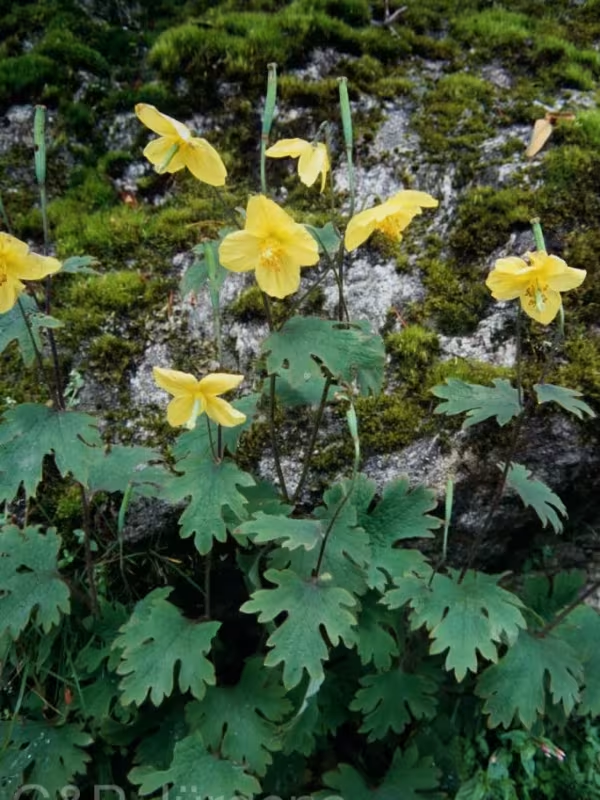
Description
Growing requirements
Corydalis flaccida is a perennial herbaceous plant belonging to the Papaveraceae family. It originates from the mountain forests of East Asia, where it thrives in cool, shaded environments characteristic of high-altitude zones.
This species is well-adapted to habitats with significant humus accumulation. It typically occupies forest floors and sheltered slopes, where the climate remains consistently humid during the spring growing season.
For successful cultivation, the plant requires loose, well-drained soil rich in organic matter. A neutral to slightly acidic pH is ideal for promoting nutrient uptake and ensuring healthy development of its delicate root system.
Climate requirements involve protection from intense heat and direct sunlight. During the active growth phase, it performs best in locations that mimic forest canopy shade, keeping the root zone cool and moist.
Agricultural management requires careful attention to soil moisture balance. While the plant loves water, it is highly sensitive to waterlogging, which necessitates excellent drainage to prevent physiological stress or dormancy failure.
Main diseases and pests
The most common threats to Corydalis flaccida are soil-borne fungal pathogens. Excessive moisture often leads to root rot, which is a major concern in heavy or compacted soil environments.
Slugs and snails are frequent pests, as they are attracted to the soft, succulent foliage of the plant during the damp spring months. These pests can cause significant defoliation if left unchecked.
Aphids can occasionally infest the flower stalks, causing deformation and reducing the aesthetic quality of the blooms. Regular monitoring is essential to detect early infestations before they spread.
Leaf spot diseases, caused by various fungal agents, may occur during seasons with prolonged high humidity and poor air circulation, necessitating thinning and proper site selection to mitigate risks.
Effective management includes maintaining clean growing conditions, removing decaying organic debris around the plants, and ensuring enough spacing to promote airflow, which naturally reduces the pressure of most pathogens.